


















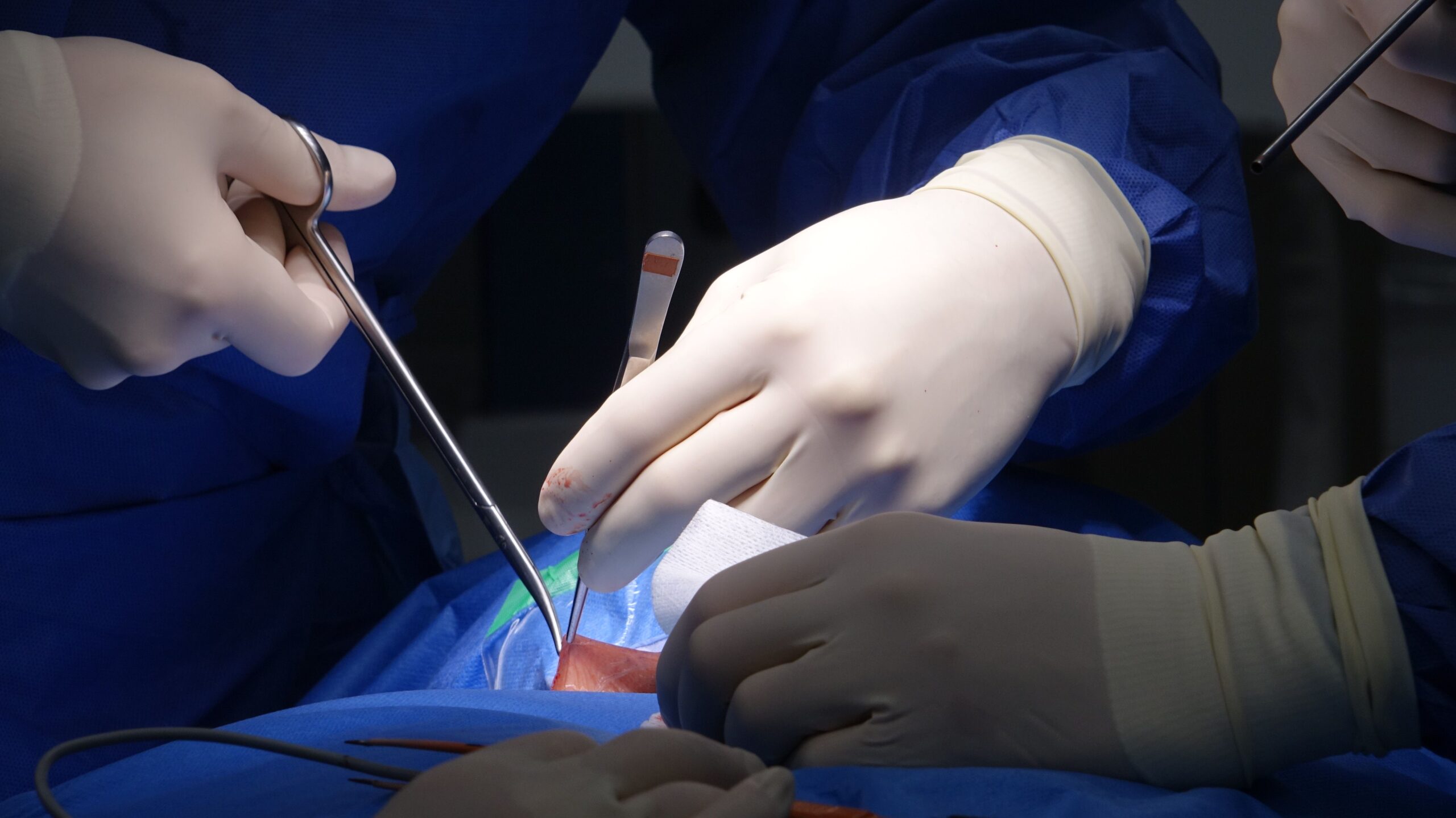
What happens when a rare neurological disorder in a child is linked to a hidden tumour? Doctors at Dr. Mehta’s Hospitals, Chennai, successfully treated a five-year-old girl diagnosed with Opsoclonus-Myoclonus-Ataxia Syndrome (OMAS), also known as ‘Dancing Eye Syndrome’, a rare autoimmune condition associated with certain tumours.
A multidisciplinary medical team performed minimally invasive surgery to remove a tumour located in the chest, close to the aorta, the main artery carrying blood from the heart to the body. Following surgery and immunotherapy, the child showed significant improvement and made a remarkable recovery.
Child Develops Sudden Neurological Symptoms
The five-year-old girl from Chennai initially developed leg pain, an unsteady walking pattern and rapidly worsening weakness over four days. Her condition soon deteriorated, leaving her unable to stand or sit. She also experienced involuntary head and body movements, rapid and uncontrolled eye movements, and slurred speech.
Although an MRI of her brain and spine at another private hospital showed no abnormalities, her symptoms continued to worsen. Her family brought her to Dr. Mehta’s Hospitals in April 2026 for further evaluation.
PET-CT Scan Reveals Hidden Chest Tumour
Dr. Shivan Kesavan, Paediatric Neurologist at Dr. Mehta’s Hospitals, identified the condition as Opsoclonus-Myoclonus-Ataxia Syndrome (OMAS). The child was admitted to the Paediatric Intensive Care Unit for close monitoring and further investigations.
Subsequently, a whole-body PET-CT scan revealed a small lesion on the left side of the chest, close to the aorta. Doctors suspected a neuroblastic tumour and identified it as the likely underlying cause of the neurological condition. The medical team therefore recommended surgical removal.
Minimally Invasive Surgery Removes Tumour
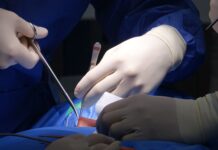
Dr. M. Raghul, Paediatric Surgeon, performed a minimally invasive left thoracoscopic procedure to remove the tumour. However, the surgery presented significant challenges because the tumour was closely attached to the aorta and intercostal blood vessels and received a direct blood supply from the aorta.
The surgical team carefully secured the blood supply and separated the tumour from the surrounding structures before removing it completely. The procedure also helped avoid the need for an open chest surgery (thoracotomy).
Immunotherapy Supports Neurological Recovery
Following surgery, Dr. Shivan Kesavan administered intravenous immunoglobulin (IVIG) therapy to treat the autoimmune condition. Specialists from cardiology and dermatology also contributed to the child’s treatment and recovery.
The child experienced no major surgical complications. Her involuntary eye movements and muscle jerks gradually reduced, while her sleep and irritability improved. She also regained the ability to follow instructions and sit with support.
She was discharged in May 2026 without major complications. During a subsequent follow-up visit, doctors observed remarkable progress, with the child becoming fully active and showing no signs of her earlier symptoms.
Early Diagnosis Crucial in Rare Childhood Disorder
Dr. Shivan Kesavan highlighted that OMAS affects a small number of children each year, and its early symptoms can sometimes resemble more common medical conditions. He emphasised that early diagnosis, identifying any underlying tumour and combining surgical treatment with immunotherapy are important for improving long-term neurological outcomes.
As per the hospital’s press release, the successful treatment highlights the importance of early recognition, multidisciplinary care and minimally invasive surgical techniques in managing rare childhood neurological disorders.