






















Researchers from the University of Turku, Finland, and Gustave Roussy Institute, France, have identified a molecular mechanism that may explain how an aggressive form of colorectal cancer spreads to the abdominal cavity. The findings could also help identify patients at increased risk of metastasis. The study was published in Nature Communications.
An Aggressive Form of Colorectal Cancer
The researchers studied mucinous colorectal adenocarcinoma, which accounts for around 10–15 percent of colorectal cancers and is more common among younger adults and women. Unlike other forms of the disease, it can spread as small clusters of cells, known as tumour spheres, to the peritoneum.
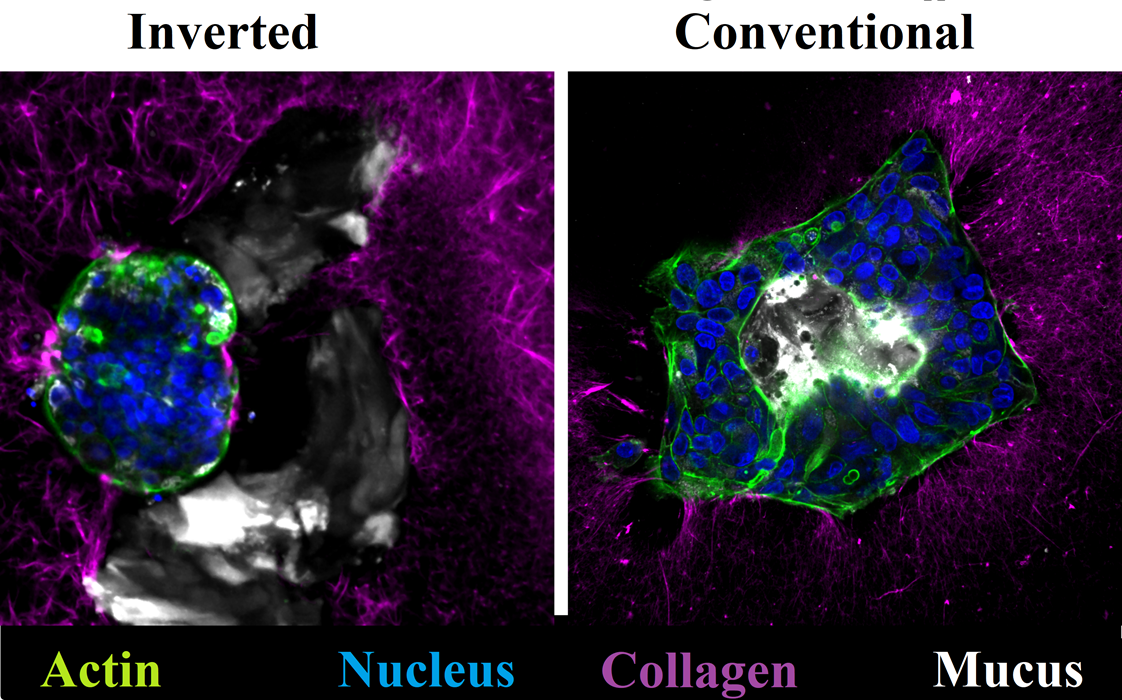
These tumour spheres can adopt an inverted structure, in which mucus forms a protective outer layer. According to Academy Professor Johanna Ivaska from the University of Turku, this structure can help tumour cells migrate, invade surrounding tissues and become more resistant to chemotherapy.
A Molecular Chain Reaction
The researchers found that when tumour spheres come into contact with collagen, they trigger a molecular chain reaction involving three proteins—SorLA, HER2 and HER3. This process causes the tumour cells to return to a conventional state and strengthens their attachment to surrounding tissue.
As per the University of Turku press release, analysis of patient samples confirmed that SorLA, HER2 and HER3 levels were higher in conventional tumour spheres than in inverted ones.
Potential Treatment Approach
The researchers also tested therapeutic antibodies targeting HER2 and HER3. In laboratory-grown tumour spheres, the treatment caused cancer cells to die, promoted inversion and reduced their ability to attach to the peritoneum.
“[The] results suggest a potential way of slowing the spread of cancer, but further research and clinical trials are still needed,” said Doctoral Researcher Meri Pelkonen from the University of Turku.
The researchers believe that the findings could help identify patients at high risk of peritoneal metastasis and may eventually support the development of new treatment approaches for aggressive cancers.