






















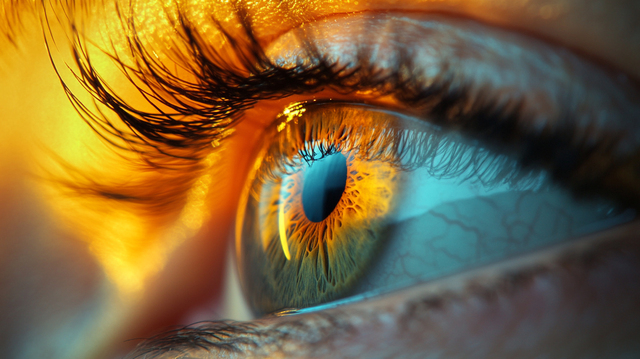
Clear vision does not always indicate healthy eyes. Data from patients aged over 40 who visited Nethradhama Super Speciality Eye Hospital revealed that approximately one in six had an underlying eye condition that had not been diagnosed previously. The conditions included early-stage glaucoma, diabetic retinopathy, keratoconus, peripheral retinal degeneration and undiagnosed refractive errors. Importantly, several of these conditions can develop silently without causing noticeable changes in vision during their early stages. These findings highlight the importance of regular comprehensive eye examinations, particularly for adults over 40, even when they can see clearly and experience no apparent eye problems.
Clear Vision Does Not Always Mean Healthy Eyes
Many people judge their eye health by how clearly they can see. However, visual acuity represents only one aspect of overall eye health. Conditions affecting the optic nerve, retina and other eye structures may develop even when a person’s vision appears normal. Dr. Supriya Sriganesh, Executive Director of Nethradhama Super Speciality Eye Hospital, emphasised the importance of preventive eye care. “People often use their ability to see clearly as a measure of how healthy their eyes are. However, eye health goes far beyond visual acuity. A person may have healthy-looking vision while changes are already occurring in the optic nerve, retina or other parts of the eye. This is why comprehensive eye examinations are important, not just when there is a problem, but as part of preventive healthcare,” she said. Therefore, relying solely on clear vision may delay the detection of eye diseases that require timely medical attention.
Glaucoma and Diabetic Retinopathy Can Develop Silently
Some serious eye conditions cause neither pain nor noticeable vision changes in their early stages. As a result, people may remain unaware of the damage until the disease progresses. Glaucoma is a major concern because it can damage the optic nerve and cause irreversible vision loss. Similarly, diabetic retinopathy can damage the retina and progress without obvious symptoms, particularly during its early stages. Research involving South Indian populations has reported an undiagnosed glaucoma prevalence of approximately 2.5–3% among people with relatively normal vision or no symptoms. Among people with diabetes, the prevalence of undiagnosed diabetic retinopathy has been reported at approximately 16%.
Dr. Sushmitha Sriganesh, Chief Medical Officer of Shraddha Eye Care Trust, explained why early detection matters. “Glaucoma is often called the ‘Silent Thief of Sight’ because patients may not realise they have it until significant damage has occurred. Diabetic retinopathy can also progress silently, which is why people with diabetes need regular eye examinations even when their vision appears normal. Detecting these conditions early gives us a much better opportunity to manage them and protect vision,” she said.
Age and Underlying Health Conditions Increase Eye Disease Risk
The risk of developing eye conditions generally increases with age and certain underlying health problems. Adults over 40 should therefore pay particular attention to their eye health, especially if they have diabetes, hypertension, cardiovascular disease or kidney disease. People living with diabetes face an additional risk of retinal complications. Moreover, the duration of diabetes can influence this risk, even when blood sugar levels are well controlled. For these reasons, regular eye examinations are an important part of preventive healthcare. They can help identify early changes, enable timely treatment and reduce the likelihood of avoidable vision loss.
Comprehensive Eye Examinations Support Overall Health
Eye examinations can also provide valuable insights into a person’s broader health. Because the eyes offer a direct view of blood vessels and other structures, an examination may reveal changes associated with certain systemic conditions. Dr. Supriya Sriganesh highlighted this wider role of eye care. “The eye gives us a unique view of the body’s blood vessels and can sometimes reveal changes associated with systemic health conditions. This makes comprehensive eye examinations relevant not just for protecting vision, but also as part of preventive healthcare, particularly for people with diabetes, hypertension and other underlying health risks,” she said. Consequently, comprehensive eye care can help protect vision while supporting the early identification of potential health concerns.
Regular Eye Check-Ups Help Protect Vision
Dr. Supriya Sriganesh urged people to prioritise eye health rather than wait for vision problems to develop. “Loving your eyes should mean more than checking whether you can see clearly. It means taking care of your eye health before a problem affects your vision. Regular comprehensive eye examinations can help detect conditions early, when timely intervention can make a meaningful difference. Hence, we urge people not to wait for their vision to deteriorate before they start caring for their eyes,” she added. As per the press release, the findings reinforce an important message: clear vision does not rule out eye disease. Adults over 40, particularly those with diabetes or other health risk factors, should consult an eye-care professional about appropriate examination intervals. Early detection and timely treatment can play a crucial role in preserving sight and maintaining long-term eye health.