






















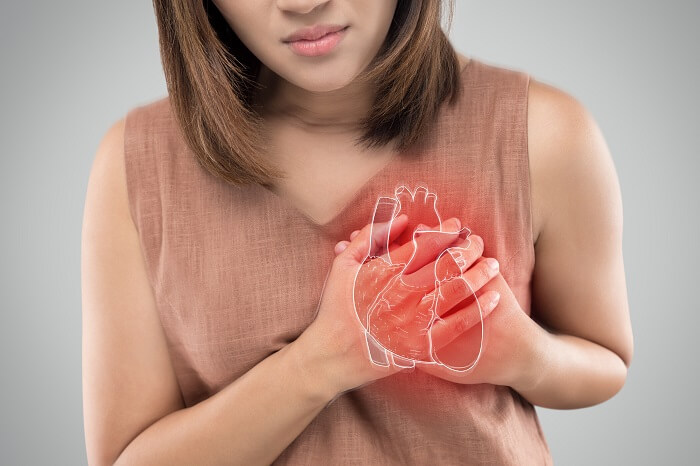
Sudden deaths are no longer limited to older age groups. A recent study conducted by the All India Institute of Medical Sciences (AIIMS) has revealed that more than half of all sudden deaths examined over a one-year period occurred in people below the age of 45. Alarmingly, many of these individuals appeared healthy and collapsed without warning, either at home or while travelling.
Study Details and Scope
Published this month in the Indian Journal of Medical Research as part of an ongoing Indian Council of Medical Research (ICMR) project, the cross-sectional study analysed autopsy findings between May 2023 and April 2024. Researchers from the departments of pathology and forensic medicine at AIIMS New Delhi reviewed 2,214 autopsies, of which 180 cases—8.1 per cent—met the criteria for sudden death.
Among these, young adults aged 18 to 45 accounted for 103 cases, or 57.2 per cent. The average age of these individuals was 33.6 years, and men were disproportionately affected.
Heart Disease Emerges as the Leading Cause
Cardiovascular disease emerged as the most common cause of sudden death among young adults. According to Dr. Sudhir Gupta from the Department of Forensic Medicine at AIIMS and a co-author of the study, heart-related conditions accounted for 42.6 per cent of sudden deaths in this age group. Most victims had advanced coronary artery disease with severe blockages, despite having no prior diagnosis, indicating silent disease progression.
Respiratory and Unexplained Causes Add to Concern
In addition to heart disease, respiratory conditions such as pneumonia, tuberculosis, and asphyxia accounted for more than one-fifth of sudden deaths among the young. Furthermore, over 20 per cent of cases remained unexplained despite detailed imaging, complete autopsies, and microscopic examinations. These “negative autopsy” cases likely point to inherited or electrical heart disorders that routine post-mortem investigations cannot detect.
Common Patterns and Lifestyle Risks
As reported by TOI, most sudden deaths occurred at home or during travel, frequently at night or in the early morning hours. Families often reported sudden loss of consciousness as the first symptom, followed by chest pain and breathlessness. Notably, only a small number of young adults had known conditions such as diabetes or hypertension.
Lifestyle risk factors were widespread. More than half of the young individuals who died were smokers or consumed alcohol, mirroring rates seen in older adults. Importantly, the study found no significant association between sudden deaths and Covid-19 infection or vaccination, with vaccination coverage remaining high across all age groups.
Older Adults Show Higher Coronary Disease Burden
Among individuals aged 46 to 65, coronary artery disease dominated even more strongly, accounting for over 70 per cent of sudden deaths. This trend further reinforces the growing burden of heart disease across age groups.
Experts Call for Early Screening and Prevention
Commenting on the findings, Dr. K. K. Talwar, Chairman of PSRI Heart Institute, described the rise in premature coronary artery disease as deeply concerning. He emphasised that many unexplained deaths may result from inherited electrical heart disorders, highlighting the need for genetic testing and family screening. He also stressed early preventive check-ups, strict avoidance of tobacco and alcohol, and routine cardiac evaluations in younger individuals. Importantly, he reiterated that there is no evidence linking Covid vaccination to sudden cardiac deaths.
An Urgent Public Health Wake-Up Call
Researchers warn that sudden death in young adults often stems from undiagnosed underlying disease, making early detection critical. With fatal events striking at increasingly younger ages, the study underscores an urgent public health challenge: identifying silent heart disease before it turns deadly.