









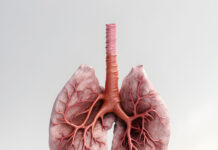













Recognising Acute Myocardial Infarction
A heart attack results from sudden obstruction of coronary blood flow, leading to myocardial injury. Early recognition and treatment are critical, as every minute of delay can increase myocardial damage.
Typical symptoms include pressure, tightness, heaviness or pain in the centre or left side of the chest, which may radiate to the arms, shoulders, neck or back. Patients may also present with dyspnoea, diaphoresis, nausea, dizziness, fatigue or indigestion-like discomfort.
Importantly, symptoms may be atypical or less pronounced in women, older adults and people with diabetes. Therefore, clinicians should maintain a high index of suspicion when symptoms are sudden, severe or unexplained.
Immediate Response
As per the press release, suspected myocardial infarction requires immediate activation of emergency medical services and rapid transfer to an appropriate cardiac facility. Patients should remain at rest while awaiting medical assistance.
Prescribed nitroglycerin may be used as directed in appropriate patients. Aspirin should be administered only when clinically appropriate and after considering contraindications and emergency medical guidance.
Responding to Cardiac Arrest
If the patient becomes unresponsive and is not breathing normally, initiate CPR immediately and use an automated external defibrillator (AED) when available.
Every Minute Counts
Not all myocardial infarctions present with classic chest pain. Therefore, clinicians should avoid attributing acute, unexplained symptoms to acidity, musculoskeletal pain or other benign causes without appropriate assessment. Rapid recognition, emergency response and timely reperfusion are central to limiting myocardial injury and improving outcomes.
Authored by Dr. Girish Godbole, Director & Senior Consultant – Interventional Cardiology, KIMS Hospitals, Electronic City.