



















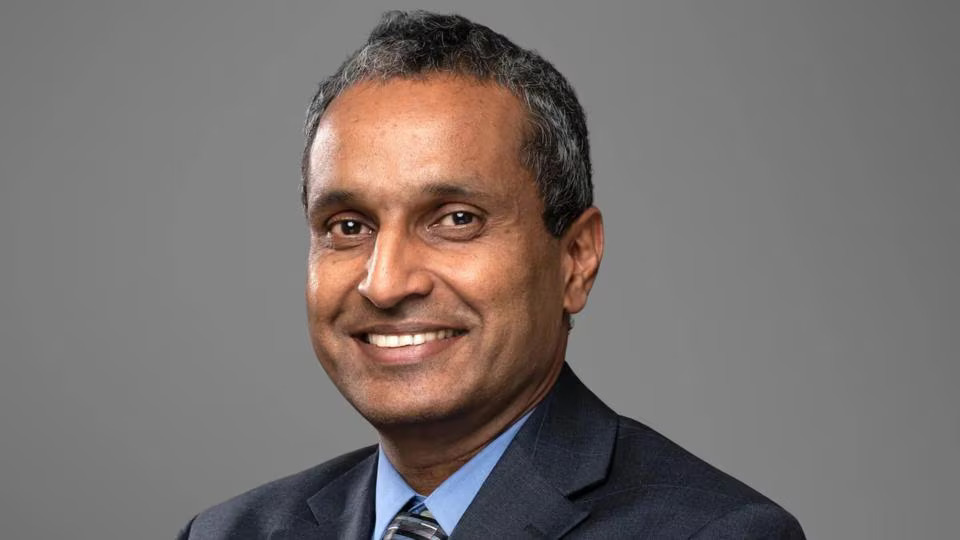
Dr CS Pramesh, the newly elected president-elect of the Union for International Cancer Control (UICC), has identified equitable access to cancer treatment and care as a key priority for his upcoming leadership term. He aims to bring cancer organisations, governments and healthcare professionals together to reduce disparities and improve patient outcomes, particularly in low- and middle-income countries.
“I have seen both the extraordinary progress we have made and the substantial inequities that persist. My focus will be on learning from successful approaches, sharing them across countries and turning the common goal of equal cancer care into better outcomes for patients,” said Dr Pramesh, director of Tata Memorial Hospital and professor and head of thoracic surgery at Tata Memorial Centre, Mumbai. The UICC elected Dr Pramesh as president-elect for the 2026–2028 term during its general assembly on October 20, where members also appointed the organisation’s new board of directors. He will serve as UICC president from 2028 to 2030.
Expanding Access to Affordable Cancer Treatment
Dr Pramesh, a surgical oncologist and cancer researcher, has worked extensively in clinical trials and helped establish India’s National Cancer Grid (NCG). His clinical interests include oesophageal and lung cancer treatment, as well as minimally invasive surgery. He believes equitable cancer care requires more than reducing the cost of medicines. Patients must also have access to early diagnosis, quality treatment and appropriate medical advice, regardless of their income or location. “Cancer care should not depend on a person’s income, where they live, or their ability to navigate a complex health system,” he said. Accordingly, Dr Pramesh plans to promote collaboration among healthcare professionals, governments, researchers, patient groups and civil society organisations to translate scientific evidence into policies that improve access to cancer care.
India’s National Cancer Grid Offers a Collaborative Model
India’s National Cancer Grid provides an example of how collaboration can help strengthen cancer care across regions. Established with a relatively small group of cancer centres, the network has expanded to include more than 420 cancer centres, research institutions, patient groups and professional organisations in India and abroad. Its member organisations treat more than 860,000 new cancer patients annually, accounting for approximately 60% of India’s cancer burden. However, Dr Pramesh believes the network’s value extends beyond its size. Through shared treatment guidelines, professional training, collaborative research, quality-improvement programmes and virtual tumour boards, the NCG helps participating hospitals improve treatment standards and reduce variations in patient care. Furthermore, this collaborative approach can extend specialised medical expertise beyond major cities, helping more patients access evidence-based cancer treatment.
UICC to Strengthen Global Cooperation on Cancer Care
As president-elect, Dr Pramesh intends to strengthen cooperation among the UICC’s member organisations and encourage countries to work towards universal health coverage. The UICC brings together more than 1,100 member organisations across 170 countries, providing a platform for governments, healthcare professionals, researchers and patient advocates to exchange knowledge and improve cancer outcomes. Dr Pramesh wants to use this international network to identify successful cancer-care models, share evidence-based practices and help countries adapt these approaches to their local healthcare systems. Such collaboration could help address differences in healthcare infrastructure, treatment availability and access to specialised services across countries.
Improving Access to Essential Cancer Medicines
Dr Pramesh also sees potential in the UICC’s Access to Oncology Medicines (ATOM) initiative, which seeks to improve access to affordable cancer medicines in regions where patients face barriers to treatment. Improving medicine availability, alongside strengthening early diagnosis and healthcare delivery, will be important in reducing inequalities in cancer care. As reported by hindustantimes.com, Dr Pramesh aims to move beyond commitments and declarations towards measurable improvements in patients’ lives. His leadership agenda focuses on turning the principle of equal cancer care into practical action, ensuring that a patient’s income, geographical location or ability to navigate the healthcare system does not determine access to treatment.