





















Yashoda Group of Hospitals, Hyderabad, has successfully treated a 30-year-old man who suffered a life-threatening traumatic brain injury (TBI) in a road accident. The hospital’s multidisciplinary team stabilised the patient through rapid diagnosis, emergency neurosurgery, and intensive post-operative care, highlighting its expertise in managing complex neuro trauma cases.
Severe Brain Injuries Demand Immediate Medical Intervention
Traumatic brain injury remains one of India’s most significant public health concerns, particularly among young and economically productive individuals. These injuries often worsen rapidly and can lead to permanent disability, a vegetative state, or death if treatment is delayed. Therefore, doctors stress the importance of immediate neuroimaging, timely surgical decompression, and advanced critical care.
Moreover, high-speed road accidents frequently cause multiple brain injuries rather than a single fracture or bleed. Patients often suffer from haemorrhagic contusions, extradural and subdural haematomas, diffuse cerebral oedema, skull fractures, and secondary ischaemic damage. As pressure builds inside the skull, the risk of irreversible brain damage increases significantly, leaving only a narrow window for life-saving intervention.
Patient Underwent Emergency Neurosurgery
The patient, Mr. Naresh M, a resident of Nagarkurnool district, was rushed to Yashoda Group of Hospitals, Malakpet Branch, following a two-wheeler accident. He arrived unconscious and exhibited repeated vomiting, nose bleeding (epistaxis), and bleeding from the ear.
Doctors immediately assessed him and found a low Glasgow Coma Scale (GCS) score, indicating severe traumatic brain injury. Emergency neuroimaging confirmed bilateral temporal haemorrhagic contusions, extradural and subdural haematomas, diffuse cerebral oedema, skull base fractures, and signs of diffuse axonal injury.
As per the press release, the neurosurgical team performed an emergency left fronto-temporo-parietal decompressive craniectomy under general anaesthesia. They also evacuated the haematoma, carried out duraplasty, and inserted an external ventricular drain to relieve intracranial pressure.
Intensive Neuro ICU Care Aided Recovery
Following surgery, the patient received comprehensive treatment in the Neuro ICU. Doctors placed him on mechanical ventilation while continuously monitoring intracranial pressure. They also administered antiepileptics, antibiotics, and other supportive therapies. Since he required prolonged ventilatory support, the medical team performed a tracheostomy.
Subsequent imaging showed that the major intracranial haemorrhages had resolved, and the cerebral oedema had stabilised. As a result, the patient gradually regained neurological function and maintained stable vital signs.
Expert Highlights Importance of Early Intervention
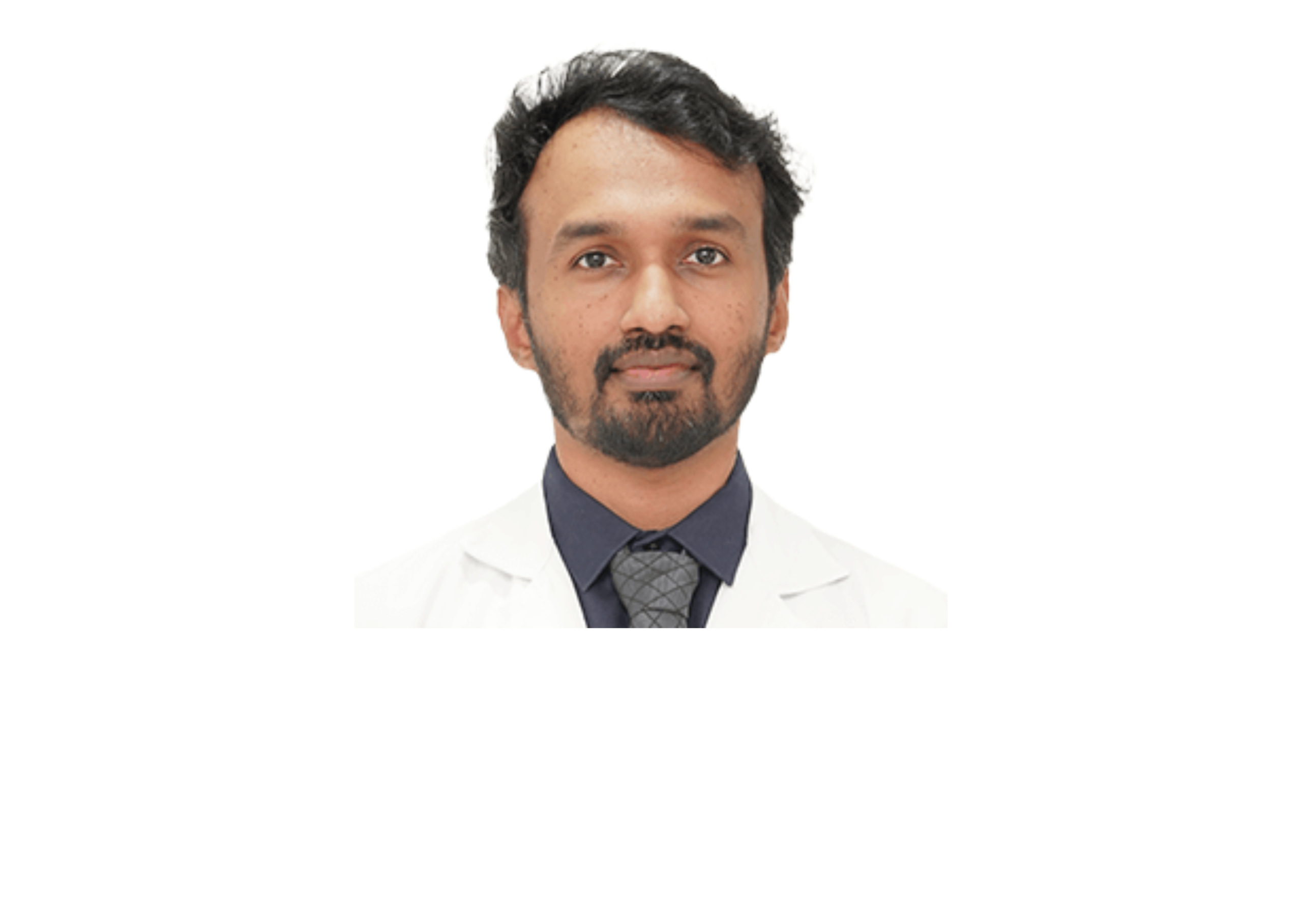
Dr. Sayuj Krishnan S, Chief Consultant – Neurosurgery, Yashoda Group of Hospitals, Hyderabad, emphasised the urgency of treating traumatic brain injuries.
“Severe traumatic brain injury following road traffic accidents is one of the most serious neurosurgical emergencies. Delays in surgical decompression or critical care support can result in irreversible brain damage or death. Early neuroimaging, prompt decompressive surgery, and continuous neurocritical monitoring helped control secondary brain injury and stabilise the patient. Such outcomes are possible only with advanced neurosurgical infrastructure and a dedicated multidisciplinary ICU team.”
Patient Discharged in Stable Condition
The patient showed steady neurological improvement during his hospital stay. Doctors eventually discharged him in stable condition and advised him to continue neurorehabilitation along with regular follow-up consultations.
Yashoda Hospitals Reinforces Neuro Trauma Expertise
This successful case underscores Yashoda Hospitals’ advanced capabilities in handling complex neuro trauma emergencies. Equipped with state-of-the-art neuroimaging technology, round-the-clock neurosurgical services, dedicated neurocritical care units, and advanced trauma infrastructure across all its branches, the hospital continues to deliver timely intervention during the critical golden hours following severe brain injuries.
Dr. Sayuj Krishnan