






















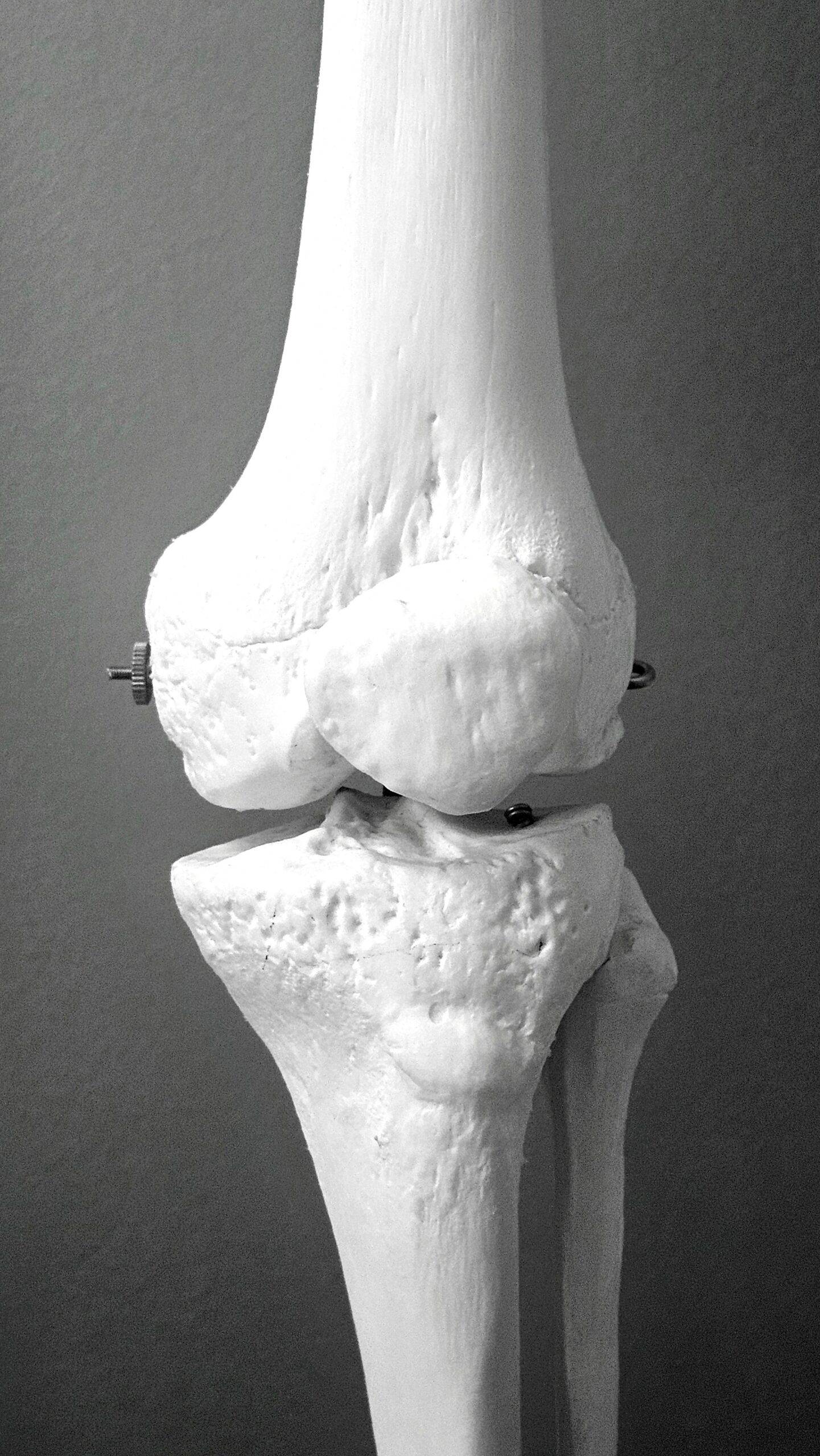
Could a medicine commonly used to prevent blood clots also help protect joints from osteoarthritis? Researchers at Yale University School of Medicine have identified dabigatran, a blood thinner, as a potential treatment that could reduce joint inflammation and cartilage damage. Early findings from animal studies suggest that the drug may help slow osteoarthritis progression, although further research is needed before it can be tested as a treatment in humans.
Osteoarthritis is the most common form of joint disease. It develops when the cartilage that cushions the ends of bones gradually breaks down, causing pain, stiffness and restricted movement. Currently, no approved medicines can slow or stop the underlying progression of the disease, making the search for new treatment approaches particularly important.
Blood Thinner Emerges as a Potential Osteoarthritis Treatment
Researchers led by Chuan-ju Liu from the Department of Orthopedics and Rehabilitation at Yale University School of Medicine screened nearly 1,000 approved drugs to identify compounds that could suppress inflammatory signals associated with osteoarthritis.
Although inflammation is a natural response to injury, persistent low-grade inflammation in the joints can accelerate cartilage breakdown and worsen the condition.
Of the 980 drugs examined, three showed the ability to suppress two important inflammatory signals involved in osteoarthritis. Further testing identified dabigatran as the most promising candidate. Doctors already use this blood thinner to prevent blood clots and reduce the risk of stroke.
Dabigatran Reduces Joint Damage in Animal Studies
To investigate its potential benefits, researchers tested dabigatran in mice and macaques with surgically induced osteoarthritis. They administered the drug through direct injections into the affected joints in mice, while the macaques received it orally. The findings, published in Science Translational Medicine (2026), showed encouraging results.
In mice, dabigatran reduced cartilage damage and joint inflammation. The animals also displayed fewer pain-related behaviours and improved mobility. Similarly, macaques receiving the drug showed better cartilage preservation and improved walking ability. Researchers also observed less abnormal hardening of the bone beneath the cartilage.
Together, these findings suggest that dabigatran could potentially protect joint tissues and improve mobility in people with osteoarthritis.
How Does Dabigatran Control Inflammation?
To understand how a blood thinner could influence joint health, the researchers investigated its effects on inflammatory signalling pathways. They identified a protein called BIG2, which regulates the movement of cell-surface receptors involved in receiving inflammatory signals.
The study found that dabigatran influenced two important receptors: TNFR1 and IL-1R1. It encouraged the release of TNFR1 from cells while promoting the breakdown of IL-1R1. These changes reduced the cells’ responsiveness to inflammatory signals.
According to the researchers, this coordinated action represents a previously unrecognised way to control inflammation and maintain the normal functioning of cartilage cells, known as chondrocytes.
Human Trials and Safety Studies Still Needed
Despite the promising findings, dabigatran is still at an early research stage as an osteoarthritis treatment. Researchers have not yet tested its effectiveness in people with the condition.
Moreover, because dabigatran is an anticoagulant, its potential to increase bleeding risk raises important safety concerns. Researchers emphasised the need for comprehensive studies to assess bleeding and infection risks, along with long-term tolerability, before considering clinical use.
Therefore, while the findings open a new avenue for osteoarthritis research, further investigation and human clinical trials will determine whether dabigatran can become a safe and effective treatment option. As reported by Medical Xpress, researchers have identified the blood thinner dabigatran as a potential osteoarthritis treatment after animal studies showed reduced cartilage damage, lower inflammation and improved mobility.