








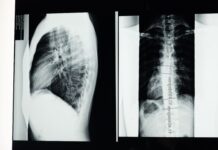











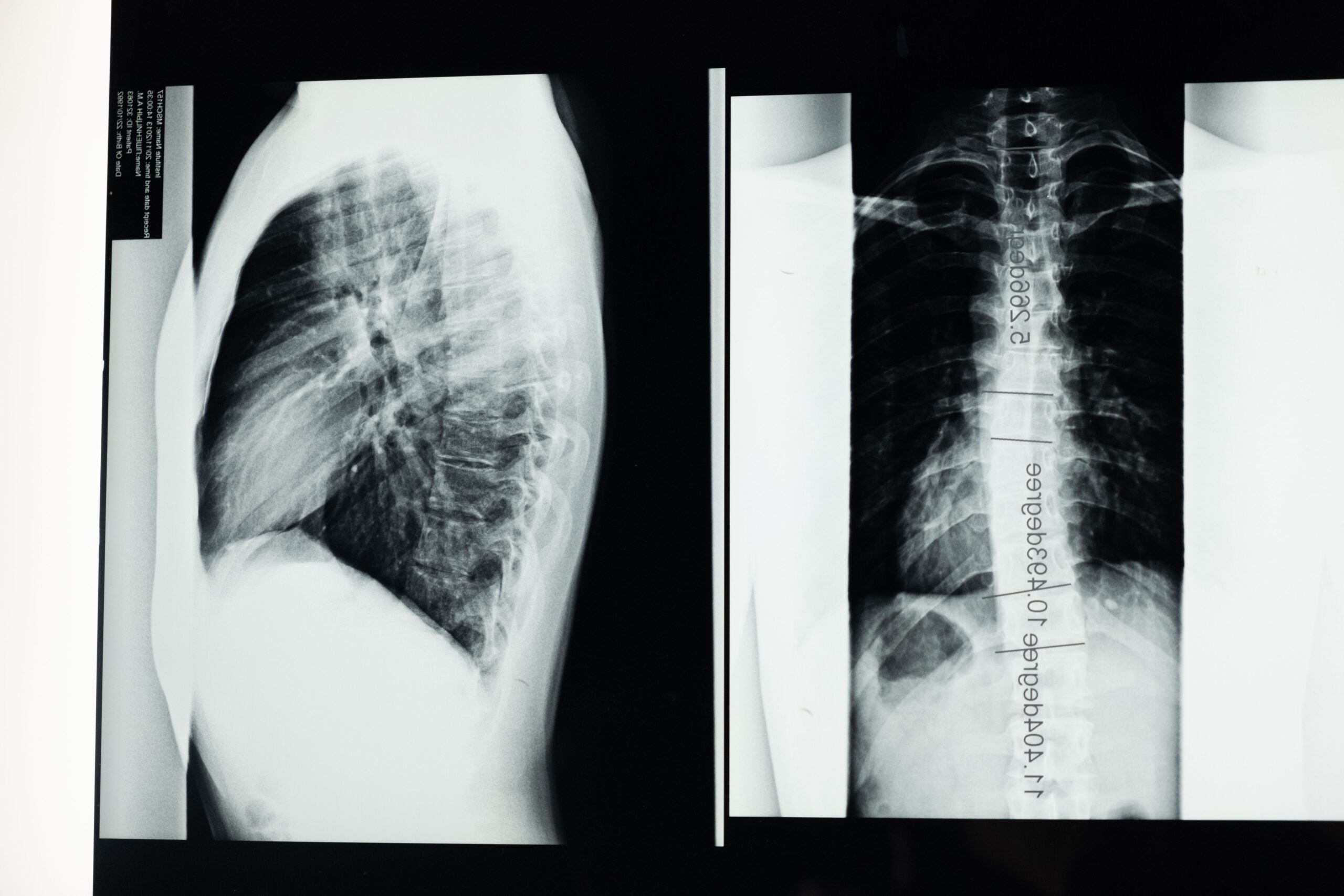
Could a routine spine X-ray help identify hidden cardiovascular risks in women with rheumatoid arthritis (RA)? A new study suggests that abdominal aortic calcification (AAC), visible on standard spine X-rays, may offer important clues about cardiovascular health in these patients. Researchers found that the condition affected one in four women with longstanding RA and was associated with a higher risk of cardiovascular disease.
The study, published on November 10 in Clinical Rheumatology, highlights how routine spine imaging could provide additional information about cardiovascular and bone health without requiring extra radiation exposure or imaging costs.
Spine X-Rays Reveal Aortic Calcification in RA Patients
Researchers led by Marcela Pinheiro, MD, from the Federal University of São Paulo, Brazil, examined 196 women with longstanding rheumatoid arthritis. The participants had an average age of 62.8 years and underwent dual-energy X-ray absorptiometry scans and conventional spine X-rays.
The team assessed abdominal aortic calcification using the Kauppila score, a validated method that grades calcium deposits in the abdominal aorta visible on lateral spine images.
The findings showed that 48 women (25%) had AAC, while 25 (13%) had extensive calcification. Researchers also identified overt cardiovascular disease in 32 participants (16%). Importantly, women with AAC of any severity had 2.89 times higher odds of having overt cardiovascular disease.
Hypertension and Longer RA Duration Linked to Extensive Calcification
Further analysis revealed that extensive abdominal aortic calcification was independently associated with three important factors:
- Hypertension: Women with high blood pressure had 8.57 times higher odds of extensive AAC.
- Longer rheumatoid arthritis duration: Each additional year of RA was associated with a 5% increase in the odds of extensive calcification.
- Lower bone mineral density: Reduced femoral neck bone mineral density was also associated with extensive AAC.
The researchers noted that cardiovascular disease remains a major cause of premature death among people with rheumatoid arthritis. Moreover, conventional cardiovascular risk assessment tools may underestimate the risk in these patients because they do not fully account for chronic inflammation.
Kauppila Score Could Support Cardiovascular Risk Assessment
The study suggests that doctors could use the Kauppila scoring system to identify abdominal aortic calcification when patients undergo spine X-rays for vertebral fracture assessment or other clinical reasons.
This approach could provide additional information about cardiovascular and cardiometabolic health without requiring separate imaging procedures, extra radiation exposure or substantial additional costs. However, researchers emphasised that AAC assessment should complement existing cardiovascular risk evaluations rather than serve as a standalone screening test.
Further Research Needed to Confirm Long-Term Benefits
Although the findings highlight the potential value of routine spine imaging, researchers said further longitudinal studies are necessary. These studies should determine whether increasing AAC predicts future cardiovascular events and whether incorporating calcification assessment into rheumatoid arthritis care can improve patient outcomes.
Overall, the findings suggest that routine spine X-rays may offer an additional opportunity to identify hidden cardiovascular risks in women with longstanding rheumatoid arthritis, helping doctors take a more comprehensive approach to cardiovascular and skeletal health. As reported by auntminnie.com, abdominal aortic calcification detected on routine spine X-rays was common among women with longstanding rheumatoid arthritis and was associated with a higher cardiovascular disease burden.