




















Could changes in the brain’s memory network help explain why some people struggle to remember everyday events as they age? A new study has identified a shared brain network associated with memory difficulties in people with mild cognitive impairment (MCI). Researchers found that although brain tissue thinning varied between individuals, the affected regions were often connected to a common network responsible for episodic memory.
The study, conducted by researchers at the Affiliated Brain Hospital of Nanjing Medical University, Nanjing University and other institutions, analysed brain scans and memory test results from more than 1,000 people. Published in Translational Psychiatry (2026), the findings could help researchers better understand memory decline and explore potential treatment approaches.
Brain Imaging Reveals a Shared Memory Network
Mild cognitive impairment (MCI) involves measurable difficulties with memory or other thinking abilities, although individuals generally remain independent in their daily activities. In contrast, subjective cognitive decline (SCD) occurs when people notice changes in their memory despite performing normally on standard cognitive tests.
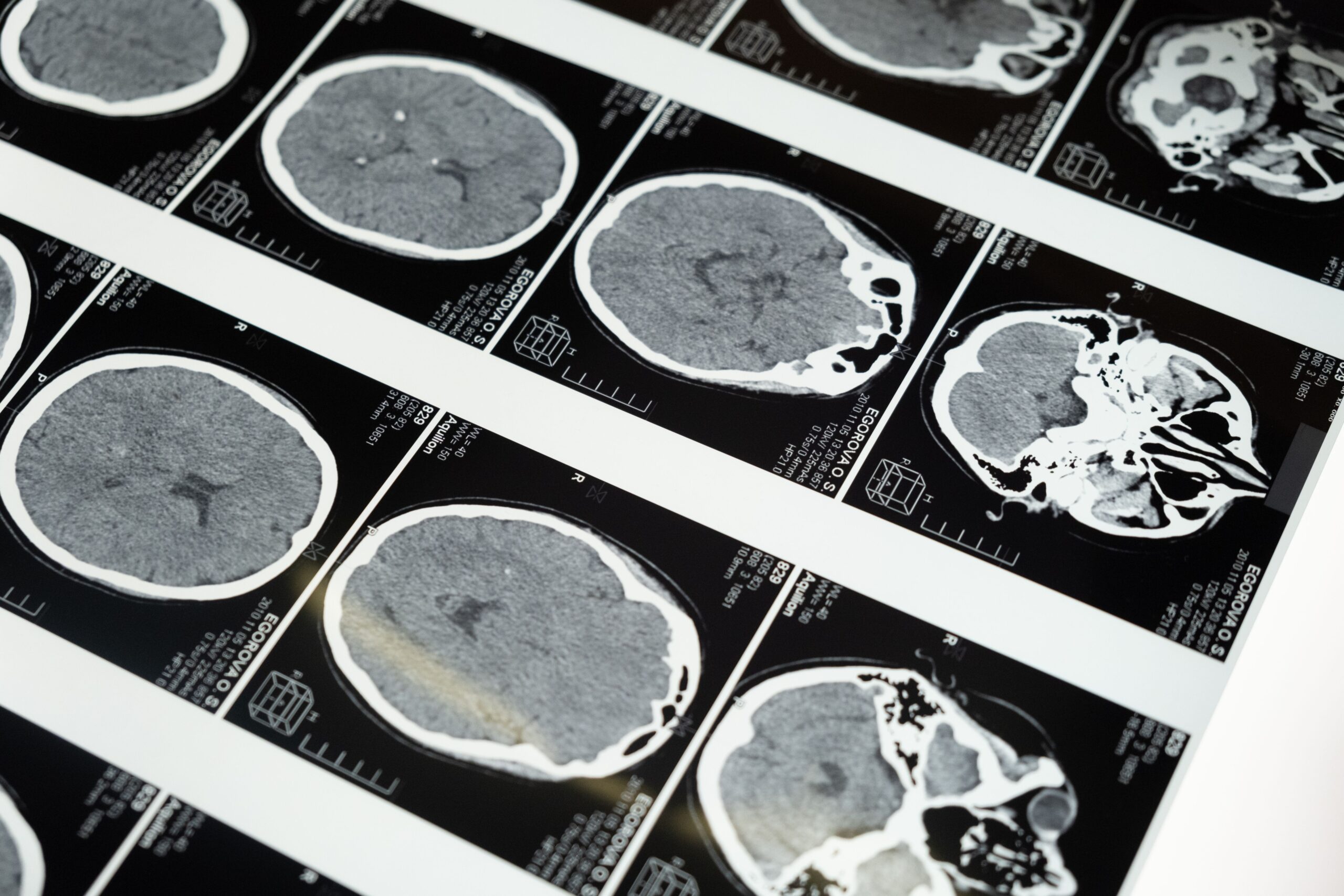
To investigate the differences, researchers analysed data from 1,312 participants across three independent groups. They examined structural magnetic resonance imaging (MRI) scans alongside episodic memory test scores. Episodic memory refers to the ability to recall specific personal experiences and events.
The team measured cortical thickness, which indicates the thickness of the brain’s outer layer, and used reference maps from resting-state functional MRI (fMRI) to understand how different brain regions communicate. Their analysis revealed that cortical thinning occurred in different brain regions across individuals. However, in most participants with MCI, these affected areas connected to a common brain network associated with episodic memory.
Interestingly, researchers did not find statistically significant evidence of the same shared network pattern among people with SCD. However, this does not rule out other underlying brain changes in these individuals.
Brain Stimulation Shows Changes in Network Connectivity
Beyond analysing brain scans, the researchers conducted an additional experiment involving 25 participants with MCI and 13 with SCD. The participants underwent a four-week course of repetitive transcranial magnetic stimulation (rTMS), a non-invasive technique that uses magnetic pulses delivered through a coil placed against the scalp to influence brain activity.
Following the intervention, researchers observed changes in functional connectivity among participants with MCI. In particular, brain regions within the identified memory network showed stronger functional connections after stimulation.
These findings suggest that researchers may be able to influence the activity of brain networks associated with memory impairment through targeted brain stimulation.
Findings Could Guide Future Treatments for Memory Decline
The study highlights how different patterns of brain tissue thinning may connect to a shared neural network associated with episodic memory difficulties in people with MCI. Researchers also demonstrated that rTMS could influence connectivity within this network, opening a potential avenue for investigating brain stimulation as a therapeutic approach.
However, the study has not established whether these changes in brain connectivity lead to improved memory or slow the progression of cognitive impairment. Further research will be necessary to assess the long-term benefits and clinical effectiveness of this approach.
Overall, the findings provide new insights into the brain networks associated with mild cognitive impairment and could help guide future research into early detection and potential interventions for memory decline. As reported by medicalxpress.com, the study identified a common episodic memory-associated brain network in people with mild cognitive impairment and found that repetitive transcranial magnetic stimulation could modify connectivity within this network.