





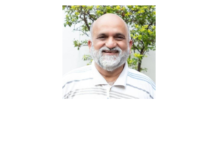














Dr Devi Shetty, Founder of Narayana Health, has called on the government to remove the 18% Goods and Services Tax (GST) on group health insurance policies, stating that the levy makes healthcare coverage less affordable for working-class Indians. He emphasised that removing the tax could help expand insurance access, particularly among workers in the informal and gig economies who may struggle to afford individual health insurance.
GST Makes Group Health Insurance Less Affordable
Dr Shetty highlighted that group health insurance plays an important role in extending financial protection to workers who cannot easily purchase individual policies. He pointed out that the 18% GST significantly increases the cost of relatively low-premium insurance plans worth ₹5,000, ₹10,000 and ₹20,000.
He urged the government to scrap the tax on group health insurance, explaining that insurers ultimately pass the additional cost on to policyholders.
Narayana Health is also exploring ways to extend insurance coverage to informal-sector workers, including autorickshaw drivers. As part of this effort, the organisation is working with Namma Yatri on a pilot programme involving approximately 5,000 drivers.
The Centre had exempted individual health insurance policies from GST in the previous year, while retaining the tax on group and employer-sponsored health insurance policies.
Dr Shetty Highlights Need to Make Healthcare Affordable
Beyond insurance taxation, Dr Shetty stressed that affordability remains one of the biggest challenges facing India’s healthcare sector. He expressed confidence that India could become the first country to demonstrate that access to quality healthcare does not have to depend on an individual’s or family’s financial position. He believes this could become possible within the next five to seven years.
According to him, India has expanded medical education and increased hospital infrastructure through private investment, particularly in major cities. However, patients’ ability to afford treatment remains a significant concern.
He noted that corporate hospitals in India typically operate at an average bed occupancy of 50–60%, despite having doctors, nurses, technicians and hospital infrastructure available. He attributed this underutilisation partly to high treatment costs, arguing that healthcare has become unaffordable for many patients.
Higher Hospital and Diagnostic Utilisation Could Reduce Costs
Dr Shetty suggested that hospitals could lower treatment costs by increasing bed occupancy and distributing their fixed operational expenses across a larger number of patients.
Similarly, better utilisation of expensive diagnostic equipment, including CT scanners, could reduce the cost per test and make preventive screening more accessible. He also highlighted the importance of wider screening programmes for the early detection of cardiovascular diseases and cancer, which could help reduce treatment expenses and mortality.
Narayana Health Explores Affordable Hospital Model
To improve access to affordable treatment, Narayana Health is exploring the development of smaller hospitals with around 100–150 beds. The proposed model aims to serve middle-income individuals earning approximately ₹30,000–₹60,000 per month, enabling them to access quality healthcare with dignity.
The organisation plans to leverage its larger hospital infrastructure and digital capabilities to centralise support services and improve operational efficiency.
The developments highlight the need for policy reforms, affordable insurance options and more efficient healthcare delivery models to improve access to treatment across income groups. As reported by ETHealthworld, Dr Devi Shetty has called for removing the 18% GST on group health insurance while emphasising the importance of making healthcare more affordable and accessible to India’s working population.