


















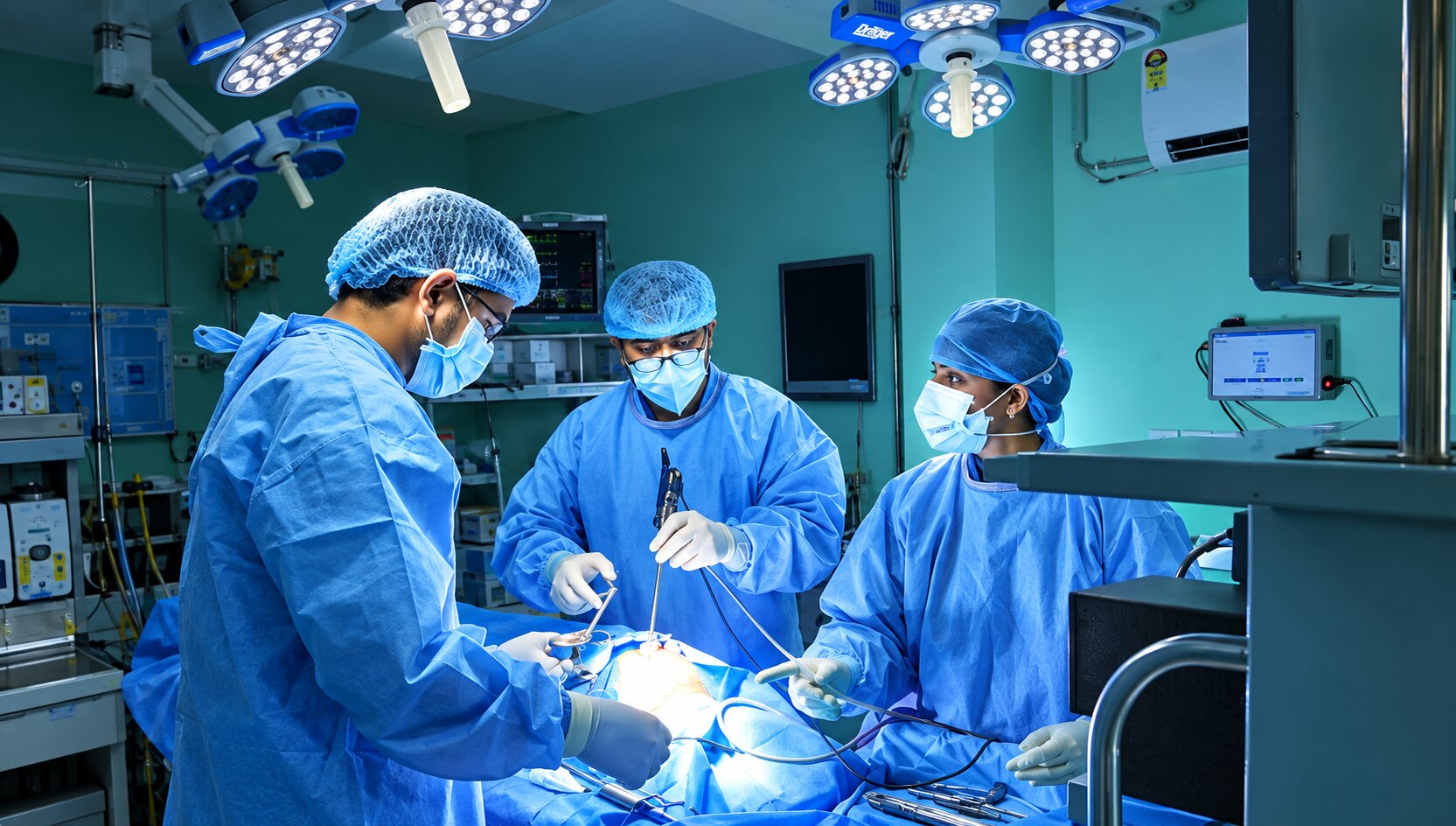
An 88-year-old woman from Jaigaon, near the Bhutan border in West Bengal, has taken her first steps with a walker after undergoing simultaneous bilateral knee replacement surgery at KIMS Hospitals, Thane. The patient lived with severe knee pain for more than 25 years and depended on a wheelchair for the last three years. Her family travelled nearly 2,500 km to Thane after learning that advanced age alone does not necessarily rule out knee replacement surgery. Her journey highlights the importance of individual medical assessment, careful management of existing health conditions and structured rehabilitation for elderly patients with advanced osteoarthritis.
Advanced Osteoarthritis Severely Restricted Mobility
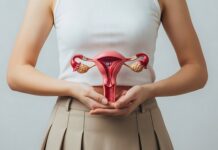
The patient had suffered from advanced osteoarthritis in both knees for more than two decades. Over time, the condition progressively affected her mobility, eventually leaving her dependent on a wheelchair for three years. She also required assistance from family members with everyday activities, including getting up and moving around. Seeking a treatment option that could improve her quality of life, her family explored available medical facilities and discovered a joint-replacement awareness podcast by Dr Sanjeev Jain. Following a video consultation with Dr Jain, a joint replacement surgeon, the family travelled to Thane for a comprehensive medical evaluation.
Medical Assessment Determined Suitability for Surgery
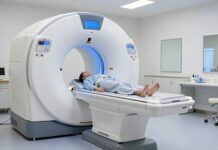
During the assessment, doctors found that Mrs Rani had advanced osteoarthritis affecting both knees, along with hypertension, diabetes and hypothyroidism. Considering her age and existing medical conditions, the medical team first evaluated her overall health and worked to optimise her medical fitness before determining whether surgery was appropriate. Following a comprehensive assessment and counselling, Dr Jain and his team concluded that she was suitable for bilateral total knee replacement. She underwent simultaneous replacement of both knee joints on September 28, 2026.
Multidisciplinary Care Supported Recovery
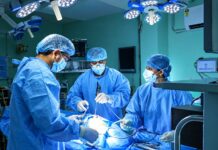
The procedure required close coordination among orthopaedics, anaesthesia, cardiology, internal medicine and endocrinology specialists. Nursing and physiotherapy teams also played an important role in managing her recovery. Doctors monitored her existing medical conditions throughout the perioperative period and incorporated rehabilitation into her treatment plan. Following surgery, physiotherapists helped Mrs Rani begin walking with a walker under supervision. For her family, watching her take steps after three years of wheelchair dependence marked a significant milestone.
Careful Evaluation Is Essential for Elderly Patients
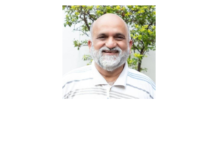
Dr Sanjeev Jain, Chief and Head of Orthopaedics, Joint Replacement and Sports Medicine at KIMS Hospitals, Thane, emphasised that age alone should not determine a patient’s eligibility for knee replacement. He explained that doctors must consider the severity of pain and disability, the response to non-surgical treatments, overall medical fitness and the patient’s expectations. Moreover, elderly patients with conditions such as diabetes and hypertension require careful preoperative optimisation, close monitoring and structured rehabilitation after surgery.
Knee Replacement Can Help Restore Mobility and Independence
The patient’s experience highlights how advanced age does not automatically mean that severe knee pain and restricted mobility must become permanent. However, doctors must assess each patient individually to determine whether knee replacement is appropriate. After three years of wheelchair dependence, her first postoperative steps with a walker have given her and her family renewed hope of regaining mobility and greater independence in daily life. For the family, the 2,500 km journey was about more than surgery. It represented an opportunity for Mrs Rani to move more comfortably and participate more independently in everyday activities.
World Arthritis Day Highlights the Importance of Mobility
World Arthritis Day is observed annually on October 12. The 2026 theme, “Achieve Your Dreams,” highlights the aspirations of people living with arthritis to maintain mobility and return to activities they value. The patient’s journey reflects this goal while underscoring the importance of timely medical evaluation, appropriate treatment and rehabilitation for people living with advanced osteoarthritis.