






















An experimental weight-loss drug, retatrutide, has demonstrated promising results in reducing knee pain among people with obesity or overweight who suffer from knee osteoarthritis (OA). Two Phase III clinical trials led by Northwestern University found that participants receiving the highest dose of the drug lost approximately 25% of their body weight on average.
The pooled analysis also showed that nearly two-thirds of participants receiving retatrutide experienced at least a 50% reduction in knee pain, compared with 38% of those receiving a placebo. In addition to weight loss and pain relief, participants also experienced improvements in blood pressure, lipid levels and systemic inflammation.
The findings from both trials, TRIUMPH-4 and TRIUMPH-1-OA, were published in the New England Journal of Medicine.
Retatrutide Shows Significant Weight Loss and Pain Relief
Retatrutide is a once-weekly injectable medication developed by Eli Lilly. Unlike currently available weight-loss drugs such as semaglutide and tirzepatide, which target one or two hormone receptors, retatrutide activates three different hormone receptors. This triple-receptor action helps regulate appetite, metabolism and blood sugar levels, potentially contributing to greater weight reduction.
In the clinical trials, some participants lost up to 100 pounds (approximately 45 kg) or more. Researchers believe that substantial weight loss can reduce pressure on the knee joints, thereby easing pain and improving mobility.
According to corresponding author Dr Thomas Schnitzer, professor at Northwestern University Feinberg School of Medicine, reducing body weight can lower the mechanical load on the knees, helping patients experience meaningful pain relief and improved physical function.
Knee Osteoarthritis Affects Millions of People
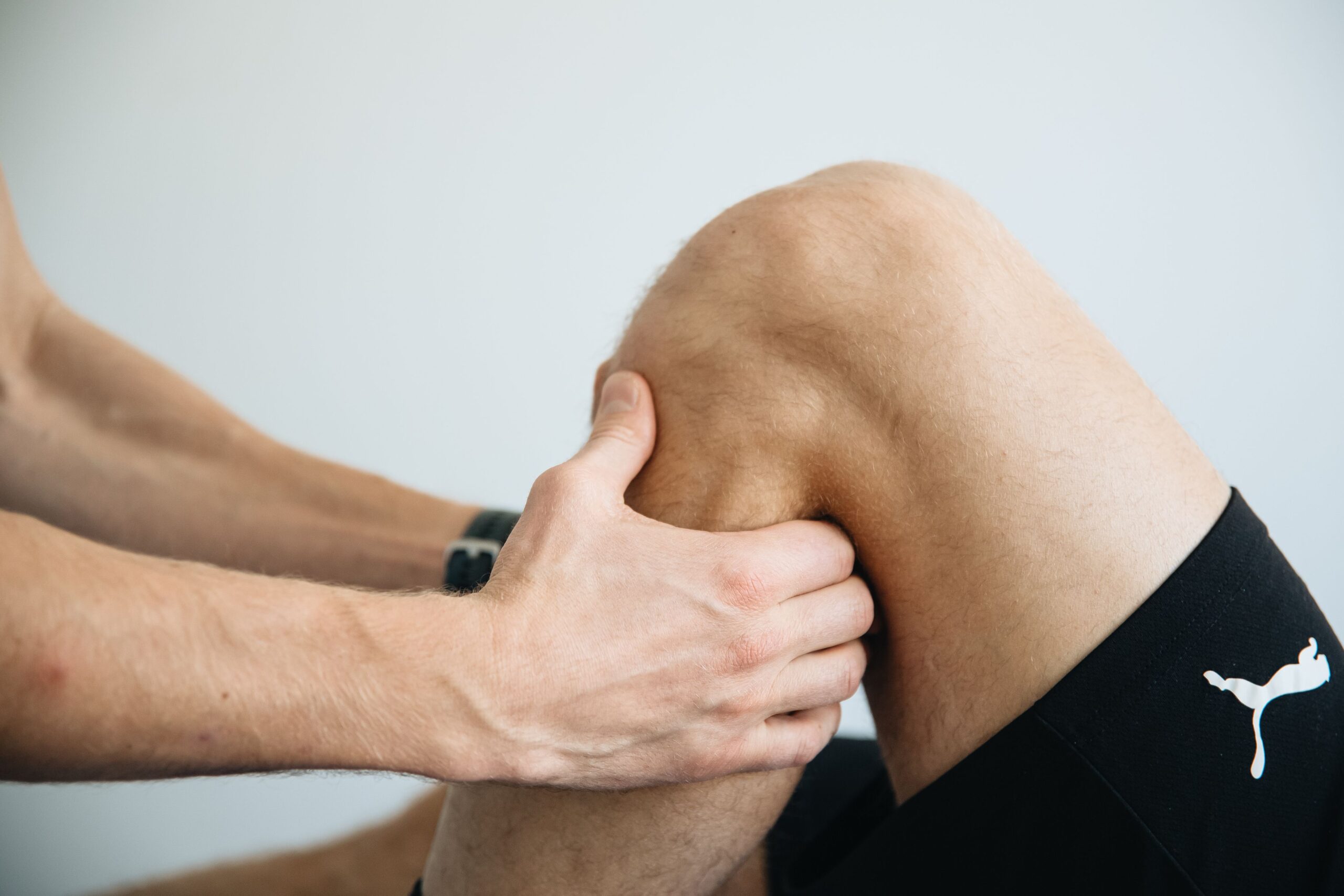
Knee osteoarthritis is a degenerative joint condition that causes pain, stiffness and reduced mobility. Everyday activities, including walking, climbing stairs and standing up from a chair, can become increasingly difficult as the condition progresses. Approximately 15 million people in the United States experience painful knee osteoarthritis.
Current treatment options include corticosteroid injections, physical therapy, topical medications and nonsteroidal anti-inflammatory drugs (NSAIDs), such as ibuprofen. However, many of these treatments provide temporary relief rather than addressing the underlying burden associated with excess body weight.
Previous research has also shown that losing 5%–10% of body weight through diet and exercise can improve knee osteoarthritis symptoms. However, achieving substantial weight loss can be challenging, particularly for people whose joint pain limits their ability to exercise.
Lifestyle Changes Remain Important for Treatment
Despite the promising findings, researchers emphasised that diet, exercise and lifestyle modifications should remain the first approach to managing knee osteoarthritis in people with overweight or obesity.
These measures can support weight management without exposing patients to potential medication-related side effects, including gastrointestinal problems and muscle loss. Maintaining muscle strength is particularly important because the surrounding muscles help stabilise the knee joint.
However, retatrutide could offer another treatment option for patients who struggle to lose weight through lifestyle changes and continue to experience significant knee pain, provided the drug receives regulatory approval.
Further Research Needed on Disease Progression
Although the trials demonstrated improvements in weight and pain, several questions remain unanswered. Researchers excluded participants who already required knee replacement surgery, so it remains unclear whether retatrutide can slow osteoarthritis progression or reduce the need for joint replacement. Scientists also want to investigate whether the drug can relieve knee osteoarthritis pain in people who are not overweight, as this group was not included in the trials.
Additionally, retatrutide may have anti-inflammatory effects, but researchers have not yet established how much these effects contribute to pain reduction beyond the benefits of weight loss and reduced pressure on the joints.
The research team assessed participants’ pain using the Western Ontario and McMaster Universities Arthritis Index (WOMAC) Pain Index, which measures pain on a scale of 0 to 10. Participants also recorded their daily pain levels through a mobile application.
Overall, the findings highlight the potential of retatrutide as a future treatment option for people with obesity and painful knee osteoarthritis. However, further research is needed to determine its long-term effects on joint health and disease progression. As reported by medicalxpress.com, the two Phase III clinical trials highlight retatrutide’s potential to deliver substantial weight loss and reduce knee osteoarthritis pain, offering a promising direction for future treatment approaches.