


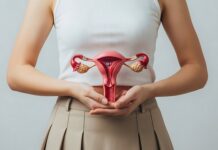


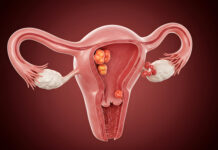










Hormonal changes throughout menstruation, pregnancy and menopause can influence inflammation, bone health and joint comfort. These changes may cause some women to experience joint pain, stiffness or muscle discomfort at different stages of life. Understanding the connection between hormones and joint health can help women recognise symptoms and seek timely medical advice.
According to Dr Sujit Kadrekar, Orthopedic Surgeon at Apollo Spectra Hospital, Pune, hormonal fluctuations may influence musculoskeletal health. However, not all joint pain results from hormonal changes. Conditions such as osteoarthritis, rheumatoid arthritis and joint injuries can also cause discomfort and require appropriate medical evaluation.
How Hormonal Changes Influence Joint Health
Oestrogen plays an important role in regulating immune function, inflammatory responses and bone metabolism. Consequently, fluctuations in oestrogen levels may influence joint comfort and pain sensitivity in some women.
During the menstrual cycle, hormonal fluctuations may coincide with changes in pain perception. Pregnancy can also place additional stress on the hips, knees and back because of weight gain, changes in posture and hormonal effects on connective tissues.
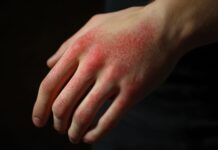
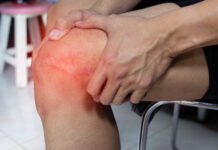
Menopause is another important stage in a woman’s life. As oestrogen levels decline, women may experience joint pain, stiffness and muscle discomfort. These symptoms can affect the hands, knees, hips and shoulders. Nevertheless, joint pain during menopause does not automatically indicate arthritis, so persistent symptoms require proper assessment.
Why Are Women More Prone to Certain Types of Arthritis?
Women are more likely than men to develop certain forms of arthritis, particularly rheumatoid arthritis. This autoimmune condition occurs when the immune system attacks the lining of the joints, leading to inflammation, swelling and pain.
Although hormonal and immune-system differences may contribute to this increased risk, the relationship remains complex and involves several factors.
Osteoarthritis is another common joint condition that becomes more prevalent with age. It develops when the tissues within a joint, including cartilage, deteriorate over time. In addition to ageing, previous injuries, reduced muscle strength, changes in body composition and increased mechanical stress can contribute to its development.
Furthermore, declining oestrogen levels after menopause can accelerate bone loss and increase the risk of osteoporosis. However, osteoporosis and arthritis are different conditions: osteoporosis weakens bones, whereas arthritis affects the joints.
Practical Tips to Protect Joint and Bone Health
Women can take several steps to maintain joint mobility, strengthen muscles and support bone health throughout life.
Stay physically active: Regular walking, strength training and low-impact exercises help maintain muscle strength, joint mobility and physical function.
Maintain a healthy weight: Managing body weight reduces excessive pressure on weight-bearing joints, particularly the knees and hips.
Follow a balanced diet: Include adequate protein, calcium and vitamin D to support bone and muscle health.
Prioritise strength and flexibility: Appropriate strengthening and mobility exercises can improve stability and help women maintain everyday activities.
Seek timely medical advice: Do not ignore persistent joint pain, swelling, prolonged morning stiffness or difficulty performing routine tasks.
When Should Women Consult an Orthopedic Specialist?
Persistent joint symptoms should not automatically be attributed to hormonal changes or ageing. Early medical evaluation can help identify conditions such as rheumatoid arthritis, osteoarthritis and other musculoskeletal disorders before they lead to further complications. Treatment depends on the underlying cause and may include medication, physiotherapy, exercise modifications or other appropriate interventions. Women experiencing persistent or worsening symptoms should consult a healthcare professional rather than relying solely on home remedies. As per the press release, by staying active, maintaining good nutrition and seeking timely medical care, women can take proactive steps to protect their joint health and mobility at every stage of life.