






















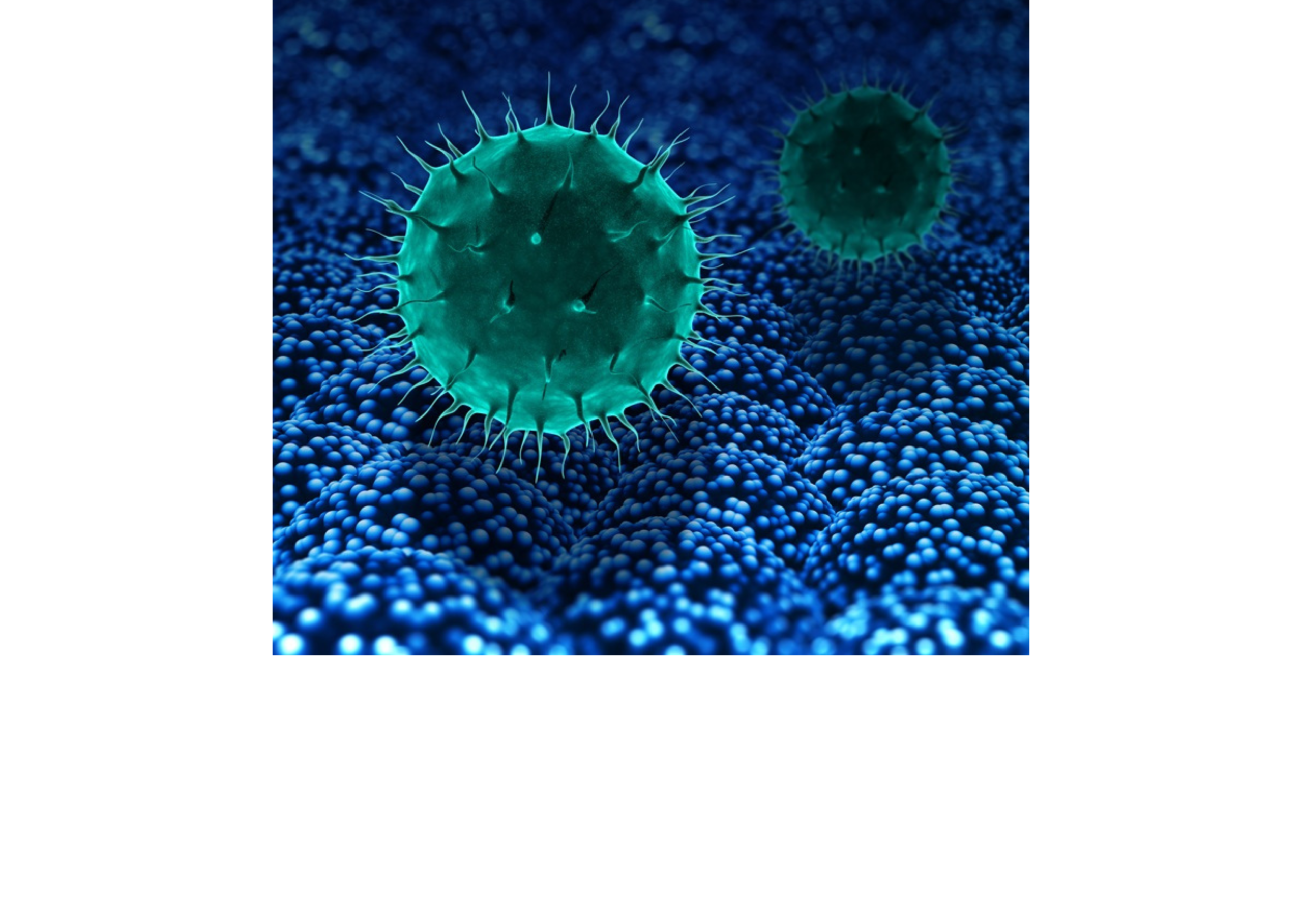
Researchers at the Indian Institute of Technology Madras have patented a chemical-free antibacterial surface that can physically destroy harmful bacteria without damaging human cells. The technology could offer a new approach to tackling antimicrobial resistance (AMR), a growing global health concern.
How the Technology Works
The researchers created specially engineered nanostructures on implant-grade silicone using a low-pressure plasma process called Reactive Ion Etching. When bacteria come into contact with the surface, these nanoscale structures create mechanical stress that ruptures their cell walls.
Unlike conventional antibacterial coatings, the technology does not use antibiotics, disinfectants, radiation or other antimicrobial chemicals. Therefore, it could reduce the risk of bacteria developing resistance.
Promising Results
As per ETHealthworld, the researchers tested the technology against three bacterial species, including both Gram-positive and Gram-negative bacteria. The nanostructured surface achieved more than 68% biofilm inhibition, while tests using fibroblast cells showed up to 91% cell viability.
Moreover, the researchers used computational modelling to identify the nanostructure dimensions needed to rupture bacterial cells and understand how the surface prevents biofilm formation.
Potential Healthcare Applications
The technology could have applications in medical implants, urinary catheters, wound-care products, hospital equipment and pharmaceutical packaging. It may also prove useful on frequently touched public surfaces where microbial contamination remains a concern.
Overall, the innovation offers a promising mechanical alternative to chemical antibacterial methods while maintaining compatibility with human cells.