






















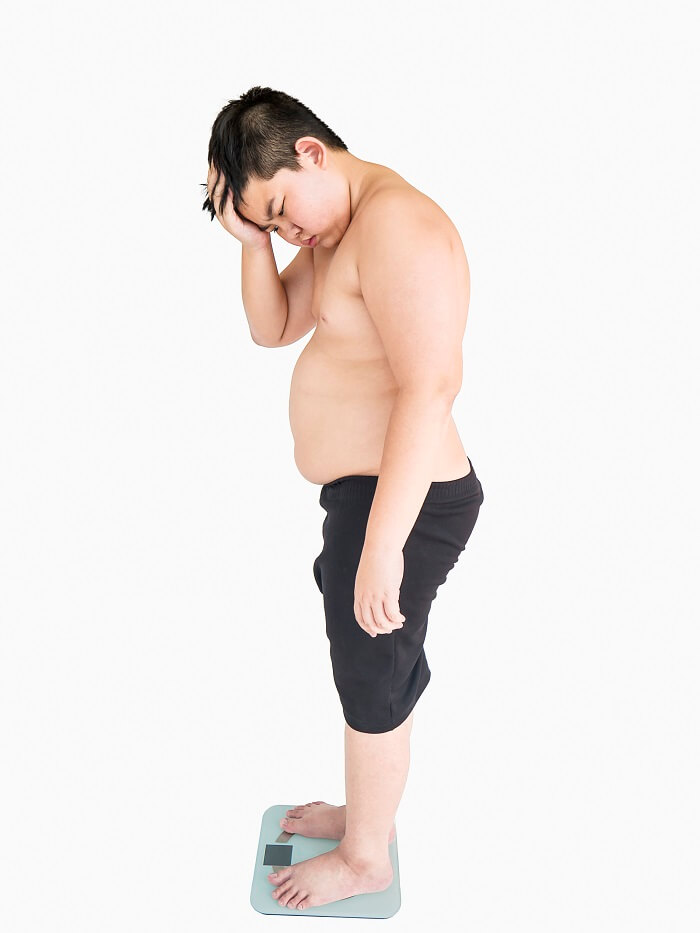
On World Obesity Day (March 4, 2026), a new report highlighted a growing concern for India’s public health landscape. The World Obesity Atlas 2026, released by the World Obesity Federation, reveals that India now ranks second globally in the number of children living with overweight and obesity, behind China.
Even more alarming than the current numbers is the rapid pace of increase. According to the report, childhood obesity rates in India are rising at an average of 5 percent annually, making it one of the fastest-growing trends worldwide.
Alarming Numbers Highlight the Scale of the Problem
The report presents stark statistics that underline the magnitude of the issue. By 2025, more than 41 million Indian children aged 5–19 years are classified as overweight or obese.
A closer breakdown of the data shows:
• 14.92 million children aged 5–9 years are overweight or obese.
• 26.40 million adolescents aged 10–19 years fall into the same category.
Together, these figures total 41.32 million individuals between 5 and 19 years of age.
Furthermore, the global community has already missed the original 2025 target to halt the rise in obesity. As a result, experts are increasingly concerned about meeting the revised 2030 global target.
India’s Double Burden of Malnutrition
Historically, India focused primarily on tackling undernutrition and food insecurity. However, the country now faces a double burden of malnutrition, where undernutrition persists while overnutrition rises rapidly.
Unlike some high-income countries where obesity developed gradually, India is experiencing a rapid nutrition transition, driven by urbanisation, dietary shifts, and sedentary lifestyles. Consequently, the healthcare system must now address both extremes simultaneously.
A Looming Health Time Bomb
Childhood obesity carries serious long-term consequences. Excess weight in early life often leads to chronic diseases appearing much earlier than expected.
The World Obesity Atlas projects a sharp rise in obesity-related health conditions among Indian youth by 2040, including:
- MASLD (Metabolic dysfunction–associated steatotic liver disease)—formerly known as fatty liver disease—expected to rise from 8.39 million to 11.88 million cases.
• High triglycerides, a major risk factor for cardiovascular disease, projected to affect over 6 million children.
• Hypertension, with cases expected to reach 4.21 million.
• Hyperglycemia (pre-diabetes), which could affect nearly 2 million children.
These projections indicate that obesity is not merely a cosmetic concern but a serious metabolic and cardiovascular health threat.
Experts Call for Immediate Policy Action
In response to these findings, Johanna Ralston, Chief Executive of the World Obesity Federation, stressed the urgency of intervention.
She noted that India currently stands at a critical public health crossroads. With over 45 million young people aged 0–19 living with overweight or obesity, the country ranks second globally and first within the WHO South-East Asia Region in terms of absolute numbers.
Importantly, Ralston emphasised that childhood obesity is not simply the result of poor personal choices. Instead, environmental factors such as limited access to healthy foods and safe opportunities for physical activity play a major role.
Therefore, reversing the trend will require coordinated public health policies, including taxes on sugary beverages, restrictions on unhealthy food marketing targeting children, and stronger primary healthcare interventions.
Key Risk Factors Driving the Epidemic
As reported by Hindustan Times, the report identifies several preventable risk factors that contribute significantly to the rising obesity rates in India.
First, sedentary lifestyles remain a major concern. Nearly 74 percent of adolescents aged 11–17 fail to meet recommended physical activity levels.
Second, dietary habits are changing rapidly. Children aged 6–10 increasingly consume sugary drinks and ultra-processed foods, while only 35.5 percent of school-age children have access to regulated school meals.
Third, early life nutrition plays a critical role. Approximately 32.6 percent of infants experience sub-optimal breastfeeding, which can influence metabolic health later in life.
Finally, maternal health also affects childhood obesity risk. Around 13.4 percent of women of reproductive age have a high BMI, and 4.2 percent live with type 2 diabetes, both of which increase the likelihood of obesity in their children.
The Way Forward: A Multi-Pronged Strategy
To tackle the crisis, the World Obesity Federation has partnered with organisations such as the Public Health Foundation of India and the All India Association for Advancing Research in Obesity.
Together, they advocate a comprehensive strategy that includes:
- Implementing taxes on sugary beverages
• Introducing stricter regulations on junk food marketing to children, especially online
• Expanding school nutrition programmes
• Integrating obesity screening into primary healthcare systems
A Narrow Window for Action
Experts warn that India still has the opportunity to reverse the trend and lead the region in tackling childhood obesity. However, the window for effective intervention is rapidly closing.
Without significant changes in dietary habits, physical activity patterns, and food industry regulation, India risks facing a major epidemic of obesity-related diseases in the coming decades.
In short, addressing childhood obesity today will play a decisive role in shaping the future health of the nation.