















In a significant milestone for paediatric cardiac care, Bai Jerbai Wadia Hospital for Children in Parel, Mumbai, has performed its first paediatric heart transplant. The surgery has given 17-year-old Tanmay Shinde a new chance at life and marks the hospital’s first heart transplant since it received its cardiac transplant licence in 2024. The hospital already performs paediatric kidney and liver transplants. However, this successful heart transplant represents an important step forward in its efforts to treat children with severe cardiac conditions.
Teenager Receives a New Heart After Years of Illness
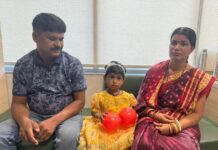
Tanmay, the son of a BEST bus conductor, was diagnosed with dilated cardiomyopathy in December 2015. This condition weakens and enlarges the heart muscle, reducing its ability to pump blood effectively. Over time, he developed severe heart failure, and medication could no longer improve his condition. During the 12 months before his transplant, Tanmay experienced persistent chest pain, breathlessness and fatigue. Frequent hospital visits also disrupted his education, costing him a year in college. In December 2025, his condition deteriorated significantly, and his family brought him to Wadia Hospital in a critical state. After assessing his condition, doctors concluded that a heart transplant offered the only viable treatment option.
Transplant Team Completes Surgery in Three Hours
A team led by paediatric cardiac surgeon Dr Biswa Panda performed the transplant on October 6. While one team retrieved and transported the donor heart, the recipient team prepared Tanmay for surgery. The interval between the donor heart stopping and the transplanted heart beginning to beat in Tanmay’s chest was approximately three hours. Following the operation, the teenager spent a week in the intensive care unit (ICU). Tanmay received the heart of a 22-year-old brain-dead donor. His mother, Sujata, expressed gratitude to the donor’s family and said the transplant had brought a remarkable change in her son’s mood and behaviour. “Having seen how organ donation can benefit families, we have decided to donate my own organs and even urge my friends and relatives to do the same,” she said. She added that Tanmay had become increasingly agitated before the transplant but was now cheerful and chatting with hospital staff.
Shortage of Donor Hearts Remains a Major Challenge
Despite this success, the shortage of suitable donor hearts continues to limit paediatric heart transplants. Children with advanced heart failure may remain on waiting lists because doctors must find a donor heart that matches the recipient’s size and medical requirements. “Children with severe heart failure may remain on waiting lists because finding a heart that matches their size and medical requirements can be difficult,” said Dr Panda.
According to Dr Sumitra Venkatesh, a paediatric cardiologist who manages the hospital’s cardiomyopathy and heart failure clinic, child donors are particularly scarce. Many children die from infections that make their hearts unsuitable for transplantation. Dr Venkatesh explained that some children with dilated hearts may have enough space in their chests to accommodate an adult donor heart. However, the medical team avoids using hearts from donors older than 40 for children because of the increased risk of coronary problems in subsequent years. Parental consent is also essential in such cases.
Wadia Hospital Treats Hundreds of Children With Cardiac Conditions
Wadia Hospital operates a dedicated paediatric cardiomyopathy and heart failure clinic, which currently treats more than 370 children with cardiac conditions. Of these, 19 children are being considered for heart transplantation. Following Tanmay’s surgery, the hospital has listed three additional children, aged between seven and 15, with the Zonal Transplant Coordination Centre (ZTCC) for heart transplants. However, the challenges facing the Shinde family extend beyond Tanmay’s recovery. His 11-year-old brother, Pranav, has also been diagnosed with a genetic heart condition and is awaiting a cardiac transplant through the hospital.
Hospital and Crowdfunding Network Cover ₹20 Lakh Cost
Tanmay’s father, Ashok, earns a modest salary as a BEST bus conductor. The family, which lives in Ghansoli, Navi Mumbai, could not afford the transplant and associated medical expenses. Consequently, the hospital and its support network, including crowdfunding, covered the entire bill of approximately ₹20 lakh. The funding included pre-surgery investigations, organ transfer expenses, the transplant procedure and post-operative treatment. Dr Minnie Bodhanwala, CEO of Wadia Hospital, said the successful surgery could encourage greater awareness of paediatric organ donation and motivate more families to donate organs. She expressed hope that the milestone would give more children awaiting transplants an opportunity to lead healthier lives. As reported by hindustantimes.cm, Tanmay’s recovery highlights the life-saving potential of organ donation and the importance of expanding access to paediatric heart transplantation in India. At the same time, his younger brother’s condition underscores the continuing need for suitable donor organs, public awareness and financial support for families facing complex cardiac treatment.