








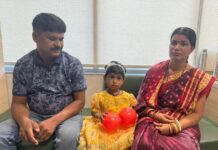









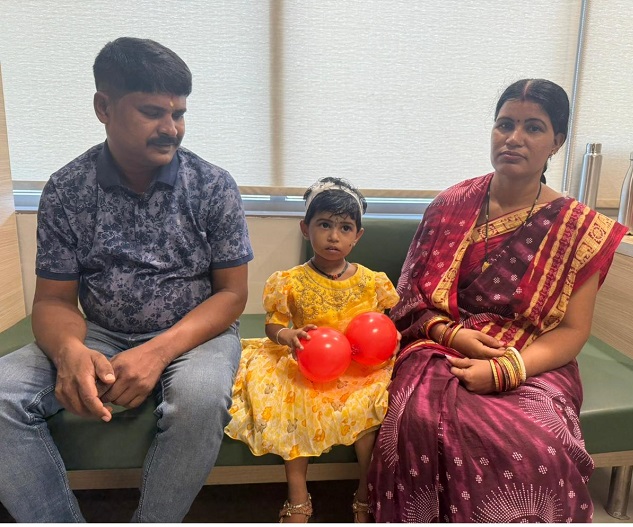
A two-year-old girl from Odisha has made a remarkable recovery after undergoing complex, life-saving surgery at Aster Medcity in Kochi following a life-threatening button battery injury. The toddler accidentally swallowed a button battery which caused severe chemical damage to the tissues connecting her food pipe and windpipe. Although her parents rushed her to a nearby hospital from their home, doctors removed the battery only after the injury had begun. The damage created an abnormal opening between her food pipe and windpipe, making swallowing dangerous and increasing the risk of serious lung infections. As her condition worsened, the child underwent evaluations at several hospitals in Kochi before doctors urgently referred her to Aster Medcity for specialised treatment.
Complex Injury Required Multidisciplinary Surgery
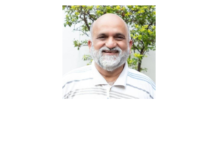
The injury affected the junction between the neck and chest, a highly sensitive region containing major blood vessels, nerves and the structures responsible for breathing, speaking and swallowing. Consequently, surgeons faced the challenge of repairing the damaged food pipe and windpipe while protecting these vital structures. Led by Dr. Shawn T. Joseph, Senior Consultant and Programme Director of the Head and Neck Oncology Network (Kerala Cluster) at Aster Medcity, a multidisciplinary team performed a complex overnight surgery.
The team included specialists in head and neck surgery, thoracic surgery, paediatric anaesthesia, intensive care and swallowing rehabilitation. Other members involved in the treatment included Dr. Manoj P. Nair, Senior Consultant in Cardiovascular and Thoracic Surgery; Dr. Sourabh Padmanabhan; Dr. Sarah Mary Thampi; Dr. Abhijith George; Dr. Karunya R. Gopal; Dr. Kavitha Sadan; swallowing pathologist Heera Thomas; and staff nurse Hridya. Dr. Shawn T. Joseph explained the complexity of the procedure, stating that the team had to separate the child’s windpipe from her food pipe without damaging the nerves responsible for breathing and voice. He credited close coordination among the specialists for the successful surgery.
Intensive Care and Postoperative Complications
Following the operation, the child remained in the intensive care unit (ICU) on ventilator support. However, her recovery initially faced further challenges. After doctors removed the breathing tube, air leaked into her chest and partially collapsed one lung. The medical team responded promptly and restored the lung’s condition. Meanwhile, the child could not eat normally for several weeks. Doctors provided nutrition through a feeding tube placed into the intestine to protect the damaged food pipe and allow it to heal.
Swallowing Rehabilitation Supports Recovery
When the team gradually reintroduced oral feeding, even small swallows triggered coughing and raised concerns about aspiration, in which food or liquid enters the airway. The child also experienced fever and required close monitoring throughout her recovery. Nevertheless, the medical and rehabilitation teams continued treatment and carefully monitored her progress. Gradually, her symptoms improved, the fever subsided and the medical team removed the feeding and other supportive tubes as her condition stabilised. Subsequent examinations confirmed significant healing and recovery. Priyanshi eventually regained her ability to swallow normally, speak clearly and breathe freely.
Recovery Highlights the Importance of Timely Treatment
The child’s recovery demonstrates the role of specialised surgery, multidisciplinary coordination and sustained postoperative care in managing severe button battery injuries in children. Button batteries can cause serious tissue damage when swallowed, sometimes within a short period. Therefore, suspected ingestion requires immediate emergency medical assessment, even if the child initially appears well. As per the press release, the child’s successful recovery marks a positive outcome after a life-threatening injury and highlights the importance of timely intervention and specialised paediatric care.