


















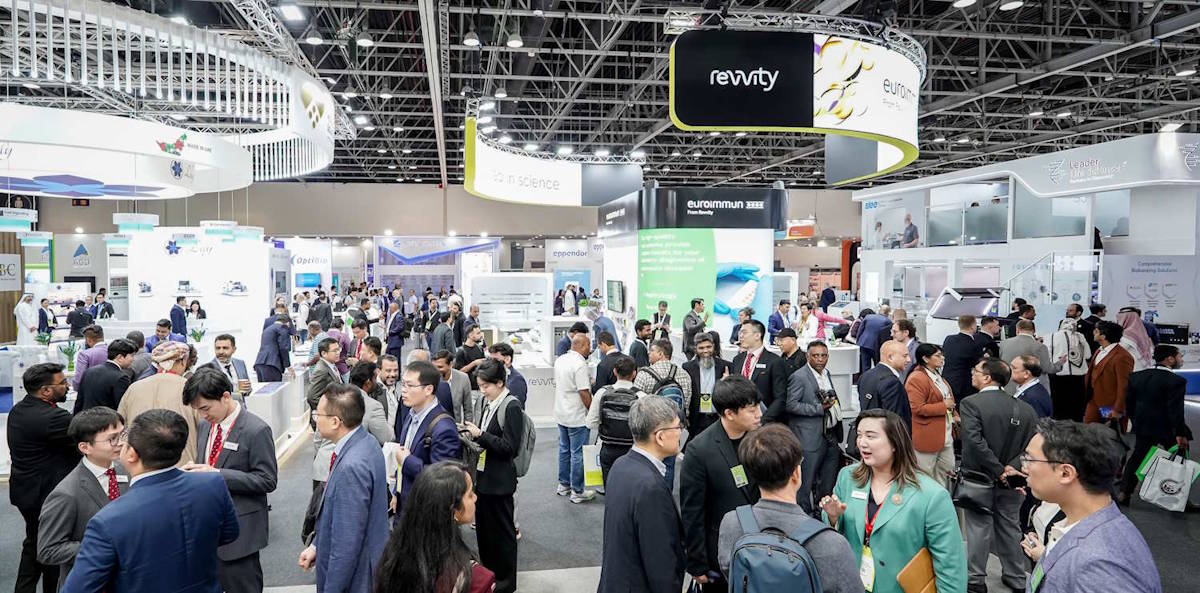
The UAE is emerging as one of the world’s fastest-moving markets for clinical diagnostics, as investment in genomics, integrated laboratory networks, artificial intelligence (AI), regulation and reimbursement accelerates the transition from scientific innovation to routine patient care, according to new analysis for World Health Expo (WHX).
The latest report in an exclusive WHX series with Frost & Sullivan, From Infrastructure to Innovation: The GCC’s Growing Influence on Clinical Diagnostics, forecasts that the global clinical diagnostics market will expand from US$115.7 billion in 2026 to US$152.1 billion by 2031, growing at a compound annual growth rate of 5.5%.
The Middle East market is smaller in absolute terms, estimated at US$5.4 billion in 2026, but the UAE is building strength in molecular diagnostics, decentralised testing and AI-enabled pathology, giving it growing strategic importance within the sector.
Genetic testing has also become part of routine preventive healthcare. Since January 2025, genetic testing has been mandatory for Emiratis as part of premarital screening, covering 570 genes associated with more than 840 genetic conditions.
Molecular diagnostics is expected to benefit significantly from this shift. Frost & Sullivan forecasts the global segment will grow from US$26.9 billion in 2026 to US$36 billion by 2031, driven by oncology molecular profiling, companion diagnostics and infectious disease surveillance.
The UAE is also expanding access to diagnostics while strengthening the laboratory infrastructure behind it. PureHealth’s PureLab, the UAE’s largest integrated laboratory network, conducted 34 million tests in 2025, up 17% year-on-year from 29 million in 2024.
This combination of centralised laboratory capacity and testing closer to the patient reflects one of the most significant shifts in diagnostics globally. Frost & Sullivan forecasts point-of-care testing to grow from US$19.1 billion in 2026 to US$26.2 billion by 2031, representing annual growth of 6.4%, as rapid testing platforms increasingly move into urgent care, community, and other settings outside the traditional laboratory.
Frost & Sullivan’s analysis also notes shifts in how diagnostic technologies are procured. Large hospital groups and integrated primary care networks are becoming increasingly important customers, while connectivity, remote quality monitoring and laboratory information system integration are now becoming baseline requirements in GCC tenders. These shifts are also reshaping how the laboratory industry connects with the wider healthcare market.
Solenne Singer, Senior Vice President, Healthcare, inD, said: “Laboratories are where many of the most important decisions in healthcare begin. The UAE is showing how quickly that work can scale when infrastructure, regulation, and reimbursement develop together, and the next phase will focus on partnerships that put new diagnostics into routine use.
“That is why the Labs Zone sits at the heart of WHX. Laboratory and diagnostics companies will be in the same place as the hospital groups, distributors, procurement teams and clinicians who decide how diagnostics are deployed across the region and beyond.”
WHX takes place from 25-28 January 2027 at the Dubai Exhibition Centre, Expo City Dubai and Dubai World Trade Centre, and is expected to welcome more than 90,000 attendees, 4,200 exhibitors, and representatives from over 195 countries. It forms part of World Healthcare Week, together with WHX Tech and WHX Leaders.