




















Scientists in Norway have identified a potential mechanism that could help explain the development of certain childhood cancers. Their research suggests that some children with cancer produce unusually high levels of abnormal antibodies that target proteins responsible for repairing damaged DNA. These antibodies, known as autoantibodies, may enter living cells and interfere with essential DNA repair proteins. As a result, they could weaken the body’s ability to correct genetic damage and potentially contribute to cancer development. The findings could eventually support the development of new approaches to identifying children at increased risk of cancer. However, further research is necessary before scientists can establish whether these antibodies directly cause cancer or can reliably predict its onset.
How DNA Repair Proteins Help Prevent Cancer
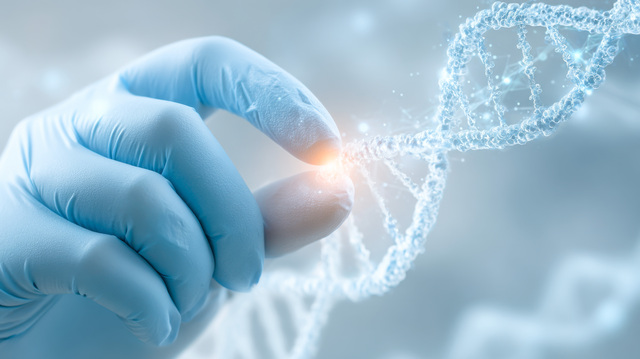
DNA repair proteins protect cells by identifying and correcting damage or errors in the genetic material. These proteins form part of a complex biological system involving hundreds of proteins that help maintain genome stability. When this repair system fails, damaged DNA may accumulate, potentially contributing to the development of cancer.
Childhood cancers differ from adult cancers in several ways, including their underlying causes, the tissues in which they develop and their responses to treatment. Unlike adults, children have had less time to accumulate DNA damage associated with ageing, lifestyle factors and environmental exposures. Consequently, many paediatric cancers carry fewer mutations and may originate in immature cells, such as stem or progenitor cells. Understanding the mechanisms behind these cancers could therefore help researchers identify previously unrecognised risk factors.
Study Identifies Autoantibodies Against DNA Repair Proteins
The research team, led by scientists including Dr. Ola Myklebost, an emeritus professor of molecular oncology at the University of Bergen, analysed tumour and blood samples from 175 adults and children with sarcoma or acute lymphoblastic leukaemia.
The samples, collected between 2014 and 2017, came from the NoSarC Norwegian Sarcoma Study, the Norwegian Childhood Cancer Biobank and the Oslo University Hospital Cancer Research Biobank. The researchers compared the findings with samples from healthy individuals, including blood donors and children participating in long-term studies or attending a clinic in Bergen. The team examined the proteome—the complete set of proteins expressed in a cell, tissue or organism—to identify unusual immune responses against DNA repair proteins.
The results revealed that children aged 2–19 years with paediatric cancer had substantially higher levels of circulating immunoglobulin G (IgG) autoantibodies against DNA repair proteins than young adults and older individuals. The antibodies primarily targeted six proteins: RAD52, NUMA1, ALKBH7, APBB1, UNG and MGMT. These proteins are associated with DNA maintenance and other cellular functions, although their precise roles in DNA repair vary. The researchers also found that these targets were not significantly mutated in the cancers examined.
Children Who Later Developed Cancer Were More Likely to Have Autoantibodies
To investigate whether these antibodies could appear before cancer develops, the scientists examined samples from 59 school-age children who participated in two British long-term cohort studies: the Avon Longitudinal Study of Parents and Children and Born in Bradford. Half of these children subsequently developed cancer before the age of 30, while the other half did not.
Although the cohort was small, the findings offered an important clue. Children who later developed cancer were approximately eight times more likely than their healthy peers to have antibodies against at least one core antigen associated with DNA repair. On average, the blood samples had been collected around six years before the cancer diagnosis.
“We showed that many children with various types of cancer have antibodies against some of their own DNA repair proteins. We also demonstrated that such ‘autoantibodies’ can enter live cells and bind to—and probably inhibit—the activity of these essential proteins,” said Dr. Myklebost. These findings suggest that the antibodies could emerge before cancer becomes clinically apparent. Nevertheless, larger studies will be needed to determine how accurately they predict cancer risk in children.
How Could Abnormal Antibodies Contribute to Cancer Development?
The researchers proposed that autoantibodies targeting DNA repair proteins could interfere with the normal repair process. If these antibodies enter a cell’s nucleus and bind to essential proteins, they may immobilise or inhibit their activity. Consequently, cells could become less effective at correcting DNA damage. Over time, this disruption might increase the likelihood of genetic errors that contribute to cancer development.
To investigate this possibility, the team conducted follow-up experiments and found that the autoantibodies could enter living cells, particularly during the phase when cells complete growth and prepare to divide. Inside the cells, the antibodies appeared to concentrate in an organelle known as the TIGER domain, a cellular compartment associated with the production and modification of transcription factors and other short-lived proteins.
According to the researchers, these observations provide a plausible explanation for how autoantibodies might increase cellular damage. However, further experiments must establish whether this interaction directly causes the development of cancer.
What Triggers Autoantibodies Against DNA Repair Proteins?
The precise reasons why the immune system produces antibodies against the body’s own DNA repair proteins remain unclear. Dr. Myklebost suggested that infections could trigger this response. In particular, antibodies produced against microbial proteins might mistakenly recognise similar proteins in human cells. Other possible explanations include excessive immune stimulation or disruptions in immune tolerance, the process that normally prevents the immune system from attacking the body’s own tissues. Researchers will need to investigate these possibilities to determine why some children develop these autoantibodies and whether specific triggers increase their likelihood of developing cancer.
Could the Findings Lead to Early Childhood Cancer Screening?
The discovery raises the possibility that autoantibodies against DNA repair proteins could eventually serve as biomarkers for identifying children at increased risk of cancer.
Because the antibodies were detected in blood samples collected years before some participants developed cancer, they may offer a potential avenue for investigating early indicators of disease. However, the findings do not establish that antibody screening can currently predict or prevent childhood cancer. The study involved a relatively small group of children in its long-term analysis, and researchers must validate the results in larger and more diverse populations before considering any clinical screening programme.
The team is now investigating how patient-derived antibodies affect the repair of experimentally induced mutations in cultured cells. Researchers also hope to clone the white blood cells that produce these autoantibodies and test their potential cancer-causing effects in mice. These experiments could help determine whether the antibodies directly interfere with DNA repair and contribute to tumour development.
Further Research Needed to Confirm the Link
The study identifies a possible connection between abnormal immune responses and childhood cancer. By showing that certain autoantibodies can target DNA repair proteins and may be present years before a cancer diagnosis, the researchers have opened a new avenue for investigating paediatric cancer biology.
Nevertheless, scientists must establish the antibodies’ precise biological effects, determine how reliably they indicate future cancer risk and confirm the findings through further studies. As reported by Medical Xpress, the research could improve understanding of why certain childhood cancers develop and potentially inform future approaches to early risk assessment. For now, the findings represent a promising research direction rather than an established method for cancer prediction or prevention.