





















Sorafenib Shows Potential Against Drug-Resistant Bacteria
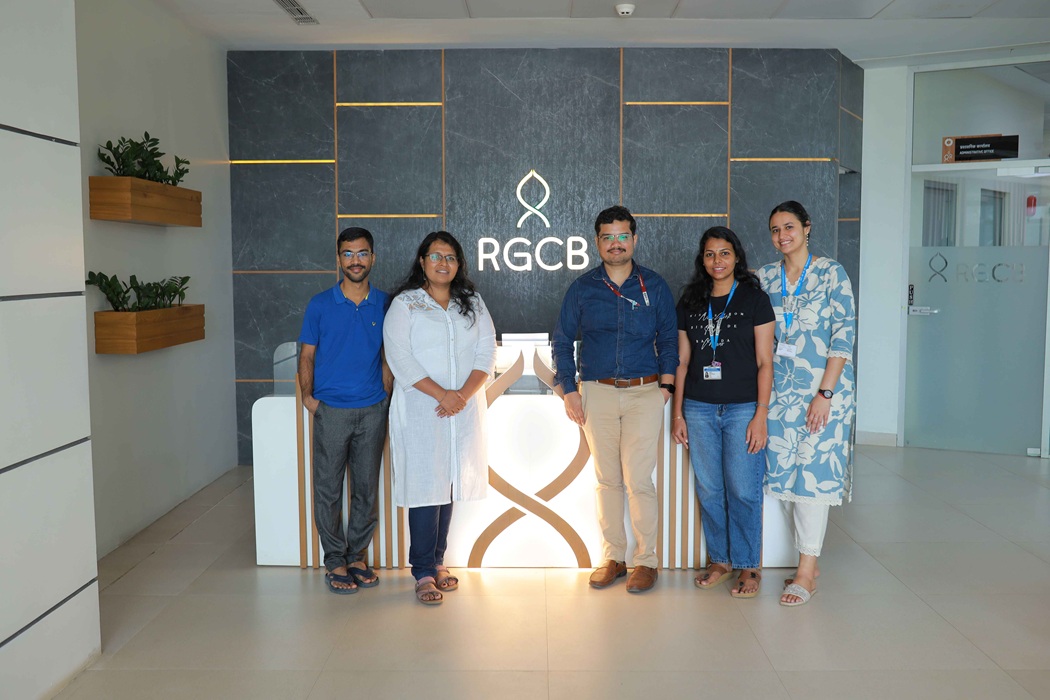
Scientists at the BRIC-Rajiv Gandhi Centre for Biotechnology (BRIC-RGCB) have found that sorafenib, an FDA-approved cancer drug, could potentially be repurposed to fight multidrug-resistant Streptococcus pneumoniae, a major cause of bacterial pneumonia and a contributor to antimicrobial resistance (AMR).
Published in mBio, the study found that sorafenib targets StkP, a bacterial protein that regulates cell division, cell wall formation and virulence. Using computational modelling, biochemical analyses and infection studies, researchers showed that the drug halted bacterial growth across several pneumococcal serotypes.
Effective Against Resistant Strains
Importantly, sorafenib remained effective against clinical isolates resistant to antibiotics such as penicillin and erythromycin. As per the press release, the findings highlight the potential of targeting bacterial regulatory proteins rather than relying only on conventional antibiotics.
The researchers also found that sorafenib severely damaged bacterial cell walls, reduced the pathogen’s ability to invade lung cells and made it more vulnerable to the immune system.
Promising Results in Animal Models
In animal models of pneumococcal pneumonia, treatment with sorafenib at one-tenth of its standard human clinical dose delayed disease progression and reduced bacterial levels in the lungs. Moreover, the bacteria showed a low tendency to develop resistance to the drug after repeated exposure.
Senior author Dr. Karthik Subramanian said targeting conserved bacterial signalling mechanisms could help overcome established drug resistance. BRIC-RGCB Director Dr. Beena Pillai also highlighted the potential of repurposing existing medicines to address multidrug-resistant infections.
A Faster Approach to Antimicrobial Discovery
Developing new antibiotics can take more than a decade. Therefore, repurposing approved medicines could provide a faster and potentially cost-effective approach to tackling AMR.
The study involved researchers from IISER Thiruvananthapuram and clinicians at Christian Medical College (CMC), Vellore. Overall, the findings identify bacterial kinases as promising targets for developing new strategies against drug-resistant infections.