
















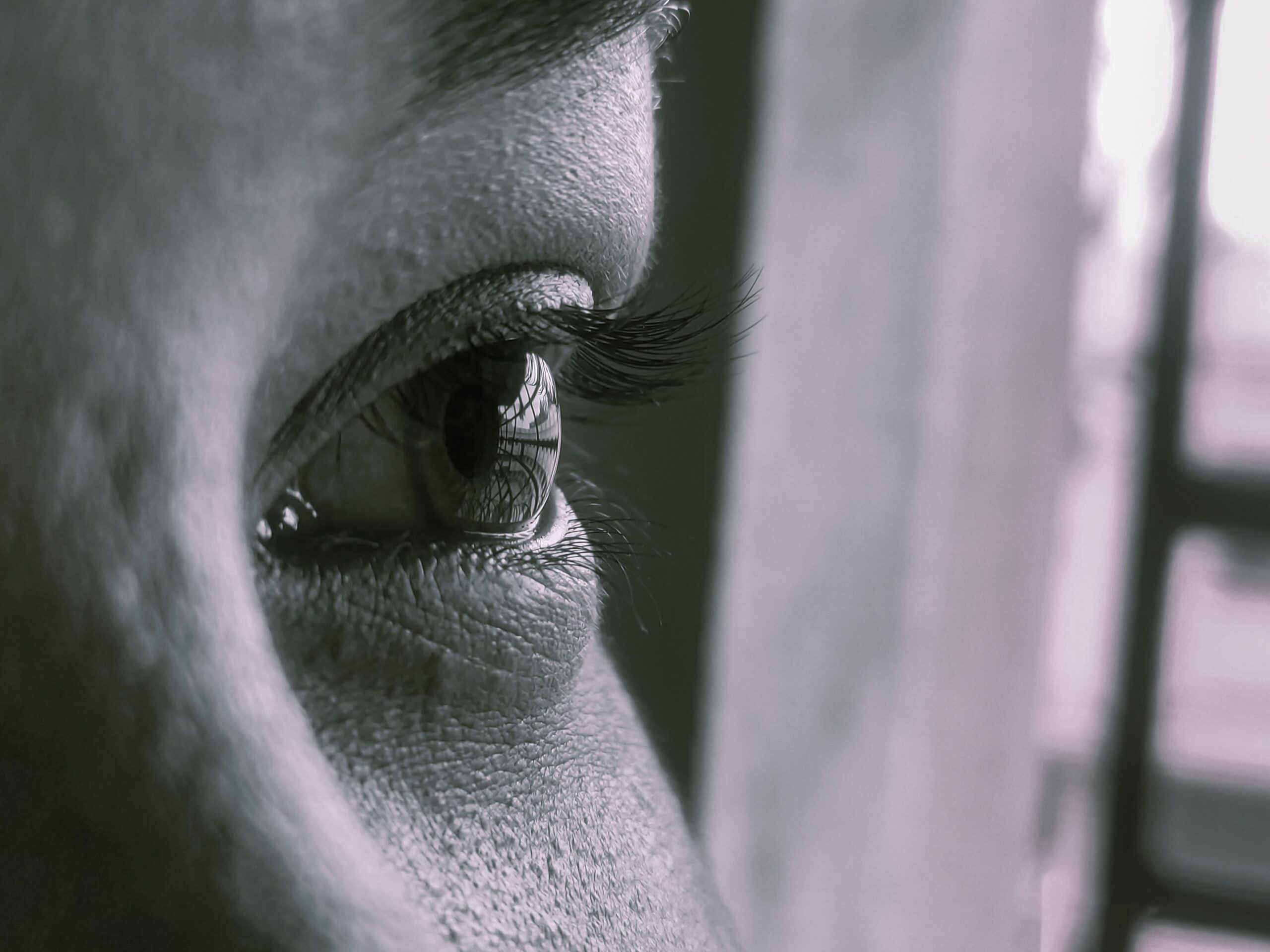
Remidio MediosHI AI, a portable retinal imaging platform developed by Remidio, has been named the winner of the 2026 Anjani Mashelkar Prize. Developed by Anand Sivaraman, the technology uses artificial intelligence (AI) to screen for 10 eye and systemic health conditions through a single, non-invasive retinal examination.
The platform aims to make preventive healthcare more accessible by combining multiple disease-screening capabilities into one portable device. It uses offline, edge-based AI technology to deliver screening results through an approximately 75-second eye examination at an estimated cost of ₹100.
Addressing Gaps in Preventive Healthcare
Traditional healthcare screening often requires separate equipment, specialists, laboratory tests and hospital visits for different diseases. For instance, retinal conditions such as diabetic retinopathy, glaucoma and age-related macular degeneration (AMD) require specialised imaging, while cardiovascular and kidney diseases generally involve separate diagnostic assessments.
These fragmented screening pathways increase healthcare costs, travel time and waiting periods, particularly for people in underserved communities. Consequently, many conditions remain undetected until symptoms develop.
Remidio’s MediosHI AI seeks to address this challenge by bringing multiple screening services together through a single, portable platform, supporting earlier detection and more accessible preventive healthcare.
From Personal Loss to Healthcare Innovation
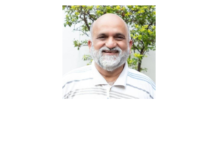
Anand Sivaraman’s journey towards developing accessible healthcare technology was shaped by personal experience and professional insights. After losing his mother to a cardiac event, the IIT Kharagpur graduate, who also holds a PhD and completed postdoctoral research at the Massachusetts Institute of Technology (MIT), returned to India with a renewed commitment to improving public health.
In 2010, during a train journey from Kochi to Bengaluru, he met paediatric ophthalmologist Dr. Anand Vinekar. Their conversation highlighted the shortage of affordable and portable imaging technologies for detecting retinopathy of prematurity, a condition that can cause preventable blindness in infants.
Recognising the broader need to make screening accessible beyond specialised hospitals, Sivaraman went on to establish Remidio. The company focused on developing portable, smartphone-based technologies that could bring preventive healthcare closer to communities.
AI Platform Screens for 10 Health Conditions
Remidio’s MediosHI AI platform transforms a single retinal examination into an AI-assisted screening process covering three eye conditions and seven systemic health conditions.
The platform screens for diabetic retinopathy, glaucoma and age-related macular degeneration, along with diabetes through HbA1c assessment, hypertension, cardiovascular disease, chronic kidney disease, preeclampsia, anaemia and gestational diabetes.
By combining these capabilities into one device, the technology aims to reduce dependence on multiple screening systems and support early identification of health risks, including maternal health conditions.
Expanding Access to Affordable Screening
Remidio has deployed more than 4,000 devices worldwide and screened over 16 million patients across more than 55 countries. These deployments highlight the company’s efforts to expand access to affordable, technology-enabled healthcare screening.
The platform has also received international recognition. In April 2026, Bill Gates highlighted Remidio’s retinal imaging technology in a Gates Notes article discussing efforts to prevent stillbirths and improve maternal healthcare access in underserved settings.
As reported by the Mashelkar Foundation (mashelkarfoundation.org), Remidio MediosHI AI was selected as the 2026 winner of the Anjani Mashelkar Prize, recognising its inclusive innovation approach and potential to make multi-disease screening more accessible.