






















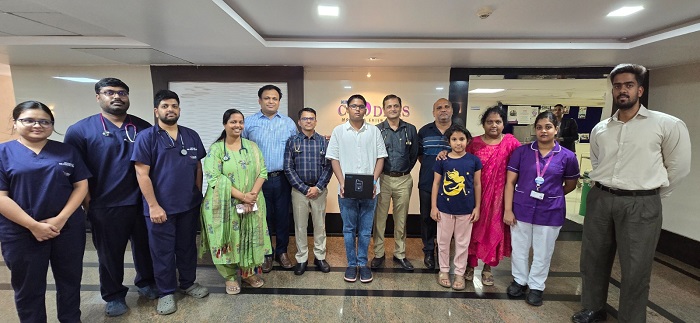
Advanced diabetes management technology has helped a 14-year-old boy from the Warangal region improve his blood glucose control and enjoy greater independence. Treatment at KIMS Cuddles, Secunderabad, has made it easier for Prahasith to balance diabetes management with school, sports and social activities. Dr. Kishore Baske, Consultant Paediatric Endocrinologist, Diabetologist and Insulin Pump Specialist, who treated Prahasith, shared details of the case. By introducing an advanced insulin pump system integrated with continuous glucose monitoring (CGM), the medical team aimed to improve glucose management while reducing the daily burden of treatment on the child and his family.
Living with Type 1 Diabetes Since Early Childhood
Since his diagnosis, Prahasith had relied on multiple daily insulin injections and frequent blood glucose checks to manage his condition. Maintaining strict treatment schedules presented challenges, particularly when balancing diabetes care with school, sports and social engagements. Moreover, his family remained concerned about potentially dangerous drops in blood glucose during the night. These worries frequently disrupted their sleep and added to the emotional stress of managing a chronic condition. Type 1 diabetes is a chronic autoimmune disease in which the body’s immune system destroys the insulin-producing beta cells of the pancreas. Consequently, the body produces little or no insulin, making lifelong insulin replacement essential. Effective management requires regular glucose monitoring, appropriate insulin therapy and ongoing medical supervision. Without adequate control, people with Type 1 diabetes face an increased risk of both short-term complications, such as hypoglycaemia, and long-term health problems.
Advanced Insulin Pump Offers More Flexible Diabetes Management
Explaining the challenges faced by children with Type 1 diabetes, Dr. Kishore Baske said, “Children with Type 1 diabetes may require four to six insulin injections a day, along with frequent blood glucose checks. Parents often wake up during the night to ensure that their child’s glucose levels have not dropped dangerously low. This places a significant physical and emotional burden on both children and their families.” To address these challenges, the medical team introduced the Medtronic MiniMed 780G hybrid closed-loop insulin pump system, integrated with the Guardian 4 continuous glucose monitoring sensor.
The system continuously tracks glucose levels and uses sensor readings and an algorithm to adjust insulin delivery automatically. As a result, it can help users spend more time within their target glucose range while reducing the need for frequent manual insulin adjustments. However, the system does not eliminate the need for active diabetes management. Users must still respond to alerts, follow device-management instructions and maintain regular contact with their healthcare team.
Improved Glucose Control and Greater Independence
According to Dr. Baske, Prahasith demonstrated significant improvements in glucose control within a few months of starting insulin pump therapy. The technology also provided greater flexibility in managing his daily routine. He could participate more comfortably in school activities, family gatherings and overnight stays with friends without being constrained by the same injection schedule he had previously followed. Furthermore, continuous glucose monitoring and automated insulin adjustments helped reduce episodes of high and low blood glucose, according to the treating team. These improvements also provided his family with greater reassurance and helped ease some of the anxiety associated with managing his condition. The degree of improvement can vary from one individual to another, depending on treatment response, consistent device use and appropriate clinical supervision.
Insulin Pump Therapy Eases the Burden on Families
Prahasith’s family also reported a meaningful improvement in their everyday lives following the introduction of the insulin pump system. “Earlier, our entire routine revolved around diabetes. We were constantly worried about his food, activities and glucose levels at night. With the insulin pump, he has gained greater independence, and we are also able to lead a more normal family life,” the family said. Their experience highlights how diabetes technology can support not only glucose management but also the emotional well-being of children and their caregivers. By reducing some of the demands associated with frequent injections and glucose checks, advanced systems may help families establish more flexible daily routines.
Medical Guidance Remains Essential for Safe Insulin Pump Use
Although advanced insulin pump systems offer important benefits, Dr. Baske emphasised that proper training and regular follow-up remain essential for safe and effective treatment. Families must learn how to operate the system, respond to device alerts and replace infusion sets and sensors at the recommended intervals. In addition, healthcare professionals need to review treatment settings regularly and address any technical or clinical concerns promptly. “The initial learning process takes time, and families need appropriate guidance to use the technology effectively. However, the potential benefits in glucose management, quality of life and reduction of the daily treatment burden can be substantial,” he said. He added that advances in diabetes technology are helping children with Type 1 diabetes manage their condition more effectively while participating in activities enjoyed by their peers. “Our goal is not merely to control blood glucose levels. It is equally important to ensure that children can pursue their ambitions, develop confidence and grow without diabetes becoming a barrier to their lives,” Dr. Baske said.
Diabetes Technology Supports a Better Quality of Life
Prahasith’s experience demonstrates how personalised diabetes care, combined with advanced insulin delivery and continuous glucose monitoring, can help address the everyday challenges of living with Type 1 diabetes. While insulin pump therapy requires ongoing monitoring, training and medical supervision, it can offer eligible children greater flexibility in managing their condition. As per the press release, combining appropriate treatment with family support and regular clinical care can help children improve glucose control, build confidence and participate more fully in everyday life.