





















India needs more trained paediatric cardiologists and specialised medical teams—not just more cardiac centres—to improve access to life-saving treatment for children with congenital heart disease. Dr. Vikas Kohli, founder of the Child Heart Foundation (CHF) and a paediatric cardiologist, warns that expanding hospital infrastructure alone will not address the country’s shortage of specialists or ensure timely treatment for every child.
Over the past three decades, India has made significant progress in paediatric cardiac care. However, much of this progress remains concentrated in major cities, leaving children in smaller towns and rural districts struggling to access specialised treatment. Therefore, strengthening the paediatric cardiac workforce must become a priority alongside expanding hospital facilities.
India Has Made Significant Progress in Paediatric Heart Care
Few areas of Indian medicine have advanced as substantially as paediatric cardiac care over the past generation. In the early 1990s, only two or three institutions in the country could perform heart surgery on infants. Since then, specialised paediatric cardiac units have expanded, and leading institutions have begun training more surgeons within India. Government initiatives have also improved access to treatment. Ayushman Bharat, state health insurance schemes and the Janani Shishu Suraksha Karyakram have helped eligible families access essential healthcare, including critical procedures for newborns. Meanwhile, the Rashtriya Bal Swasthya Karyakram (RBSK) screens children in anganwadis and schools to identify health conditions, including congenital heart defects. Despite these advances, access to specialist care remains uneven. Children with congenital heart disease are born in every district, yet many families live far from a hospital equipped to diagnose and treat their condition. Consequently, building more cardiac centres is only part of the solution. India must also train, recruit and retain enough paediatric cardiologists, cardiac surgeons, nurses and technicians to operate these facilities effectively.
Congenital Heart Disease Requires Timely Diagnosis and Treatment
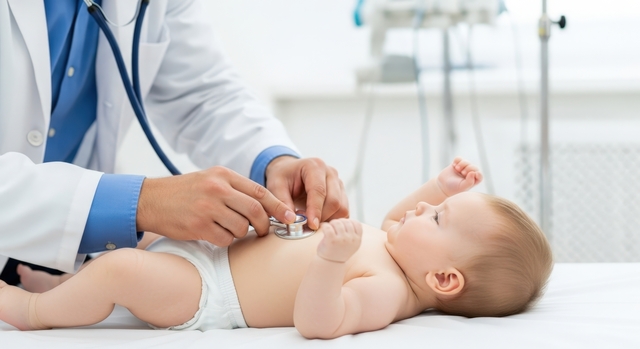
Every year, more than two lakh children in India are born with congenital heart disease. Approximately one in five has a serious defect that may require an intervention during the first year of life. Early diagnosis can make a critical difference. However, screening alone cannot save lives unless healthcare teams can provide appropriate treatment promptly. In Karnataka, RBSK teams identified nearly 41,000 school-going children with congenital heart disease over three years. According to state data reported in September, fewer than half had received treatment. These figures highlight a significant gap between identifying a heart defect and ensuring that a child receives the necessary care. Although screening programmes help detect affected children, shortages of specialists and limited access to treatment can delay the next steps. As Dr. Kohli points out, new hospitals are easy to announce and count, but their real value depends on the expertise available when a critically ill child arrives. Treating a newborn with a serious heart defect may require a paediatric cardiologist, paediatric cardiac surgeon, intensive care specialists, perfusionists and nurses trained in neonatal cardiac care. A shortage of even one essential component can affect a hospital’s ability to provide comprehensive treatment.
Shortage of Specialists and Uncertain Career Pathways
India’s paediatric cardiac care system faces a shortage of trained professionals across several disciplines. A review published in the Indian Journal of Paediatrics in June highlighted workforce shortages in this specialised field. According to Dr. Kohli, limited and uncertain career opportunities further discourage doctors from pursuing or continuing careers in paediatric cardiac care. “Part of the reason is an uncertain career path. Senior clinicians writing in the Annals of Paediatric Cardiology have noted that government recruitment has no dedicated route for trained paediatric cardiologists and cardiac surgeons. Doctors spend years acquiring these skills and then find few public sector posts where they can use them. Where such posts do not exist, the districts that most need early diagnosis go without the doctors best placed to provide it,” Dr. Kohli says.
Without dedicated recruitment pathways and sufficient sanctioned posts, public hospitals may struggle to attract specialists. As a result, children in underserved regions can face longer journeys, delayed diagnoses and reduced access to timely interventions. To address this challenge, India needs a structured workforce strategy that combines specialist training with clear career progression, appropriate public-sector appointments and incentives for doctors to work in underserved areas.
Kerala’s Hridyam Programme Demonstrates the Value of Coordinated Care
Kerala offers an example of how coordinated screening, referral and treatment can improve outcomes for children with congenital heart disease. Launched in 2017, the state’s Hridyam programme connects screening services in government hospitals, anganwadis and schools with specialist teams in public and private hospitals. This integrated approach helps identify affected children and link them to appropriate treatment. A study published in Global Heart reported that infant deaths from congenital heart disease in Kerala fell by 41% during the programme’s early years. The programme demonstrates the importance of coordinating screening with specialist expertise and treatment facilities. Identifying a heart defect is only the first step; healthcare systems must also ensure that children reach the right specialists at the right time. Kerala’s experience therefore offers useful lessons for other states seeking to strengthen congenital heart disease services, particularly in districts with limited specialist infrastructure.
Train District-Level Doctors and Expand Specialist Positions
Dr. Kohli emphasises that India must strengthen both specialist training and the ability of district hospitals to identify and stabilise children with suspected heart defects. Medical colleges need more training opportunities and dedicated sanctioned posts for paediatric cardiologists and paediatric cardiac surgeons. In addition, district-level paediatricians should receive training in basic echocardiography to help assess children and identify those who need urgent referral. This approach could improve early diagnosis and help medical teams stabilise critically ill infants before transferring them to specialised centres. At the Child Heart Foundation, the Hridya Saksham programme supports this effort by providing echocardiography machines to government district hospitals and training doctors to use them. As Dr. Kohli highlights, investing in equipment alone is insufficient. Healthcare professionals must also know how to operate the machines, interpret the results and determine the appropriate next steps for each child. Combining trained personnel with diagnostic equipment and reliable referral networks can help bridge the gap between district-level screening and specialist treatment.
Building a Stronger Paediatric Cardiac Workforce
India has developed the surgical expertise needed to repair many complex congenital heart defects in infants. The next challenge is to make that expertise accessible beyond a limited number of major cities. Achieving this goal will require a coordinated effort to expand specialist training, create sustainable career pathways, strengthen district hospitals and improve referral systems. Furthermore, government recruitment policies must ensure that newly trained specialists have opportunities to work in public healthcare facilities where demand is greatest. “Indian surgeons can already repair some of the most complex heart defects in infants. What remains is taking that skill beyond a few cities. Whether a child born with a heart defect in a small town is treated in time will depend less on how many new hospitals open and more on how many specialists we train, employ and persuade to work where they are needed,” Dr. Kohli concludes. As reported by pharmabiz.com, bridging India’s paediatric cardiology gap requires investment in people as much as infrastructure. By training and retaining more specialists and strengthening local diagnostic services, India can improve access to timely treatment and give more children with congenital heart disease the opportunity to lead healthier lives.