





















Can a person have a normal-looking HbA1c report and still experience dangerous blood sugar fluctuations? Yes. Although the HbA1c test is widely used to diagnose and monitor diabetes, it does not always capture the complete picture of blood glucose control. In some cases, the results may even be misleading, highlighting the need to consider other factors when assessing diabetes management.
What Does the HbA1c Test Actually Measure?
The HbA1c test measures the percentage of haemoglobin, the oxygen-carrying protein in red blood cells, that has glucose attached to it. This process is known as glycation.
The test provides an estimate of average blood glucose levels over the previous two to three months. Generally, an HbA1c level of 6.5% or higher indicates diabetes, while a reading between 5.7% and 6.4% suggests prediabetes. A level below 5.7% is generally considered normal.
However, certain health conditions can affect red blood cells and influence the accuracy of HbA1c results.
Health Conditions That Can Affect HbA1c Accuracy
According to Dr. Jayanta Thakuria, Senior Director – Internal Medicine and Rheumatology at Yatharth Super Speciality Hospital, Faridabad Sector 88, conditions that affect the production or lifespan of red blood cells can make HbA1c readings unreliable.
These include vitamin B12 deficiency anaemia, iron deficiency anaemia, recent blood loss, blood transfusions, kidney diseases and haemoglobin disorders.
Such conditions can affect how long red blood cells survive, potentially causing HbA1c results to differ from a person’s actual blood glucose levels. Therefore, doctors may recommend additional tests for a more accurate assessment.
Why HbA1c May Miss Daily Blood Sugar Fluctuations
Another major limitation of the HbA1c test is that it measures average blood glucose rather than showing daily fluctuations. For instance, a person may experience sharp increases in blood sugar after meals and episodes of low blood sugar during the night. However, these highs and lows may balance out, producing an apparently stable average HbA1c result.
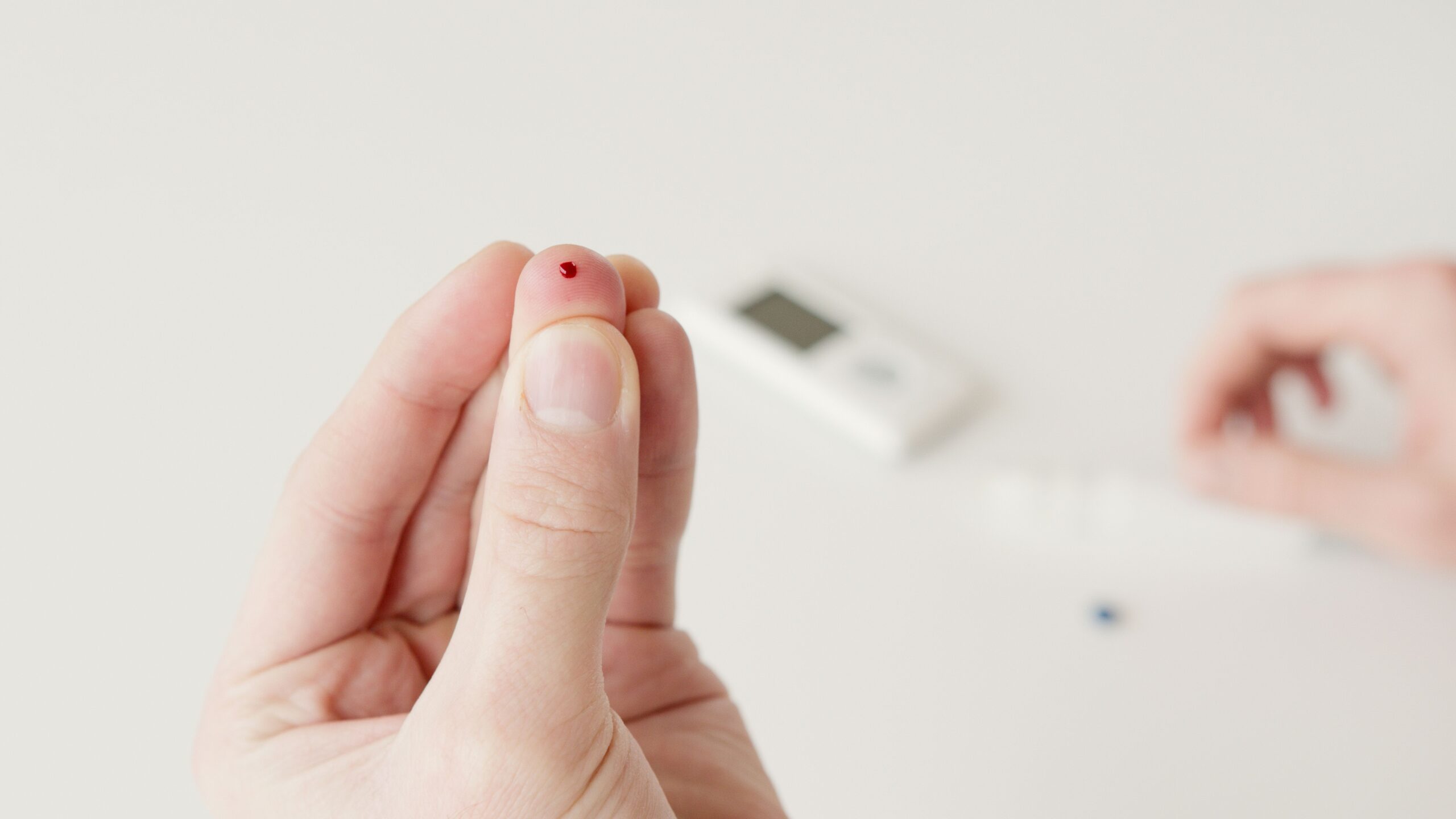
Dr. Thakuria explained that HbA1c does not capture sudden increases after meals, episodes of hypoglycaemia or overnight blood sugar fluctuations. In such situations, regular blood glucose monitoring becomes important.
This is particularly relevant for people who use insulin or take medications that may cause hypoglycaemia (low blood sugar).
Why Additional Blood Sugar Monitoring Matters
The Centers for Disease Control and Prevention (CDC) also highlights that HbA1c cannot capture sudden, temporary changes in blood glucose levels. Although readings from the most recent 30 days have a greater influence on the HbA1c result, individual blood sugar fluctuations may still remain undetected.
Therefore, healthcare professionals may recommend additional monitoring methods, including regular blood glucose testing or continuous glucose monitoring, depending on the patient’s condition.
Looking Beyond HbA1c for Better Diabetes Management
Although HbA1c remains an important tool for diagnosing and monitoring diabetes, it should not always be considered the only measure of blood sugar control. Factors affecting red blood cells, along with daily glucose fluctuations, can influence how accurately the test reflects a person’s condition.
A comprehensive diabetes assessment that considers symptoms, medical history and additional glucose monitoring can help healthcare professionals make more informed treatment decisions. As reported by The Times of India, experts highlight the importance of looking beyond HbA1c results to understand blood sugar fluctuations and improve diabetes monitoring and management.