






















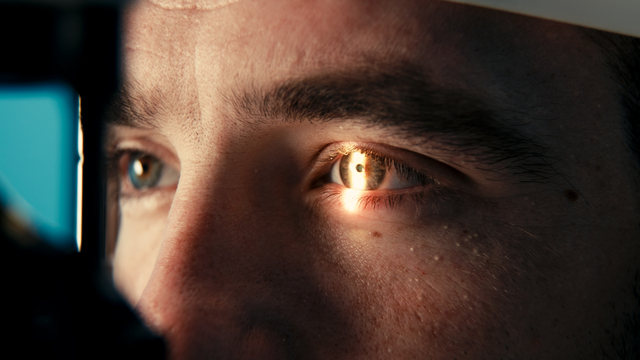
India continues to face a significant burden of corneal blindness, while the availability of donor corneas remains far below the country’s actual need. Although India’s eye-banking ecosystem has strengthened in recent years, experts say greater public awareness and open family discussions about eye donation are essential to bridge the gap. Dr Sushmitha Sriganesh, Executive Director, Shraddha Eye Bank, and Chief Medical Officer, Shraddha Eye Care Trust, said the shortage extends beyond infrastructure and also reflects limited public awareness and understanding of eye donation.
India Faces a Wide Gap in Corneal Transplants
Approximately 1.1 million people in India live with corneal blindness, while only around 25,000–30,000 corneal transplants are performed each year, according to recent data highlighted by the Ministry of Health and Family Welfare during the 41st National Eye Donation Fortnight in August 2026. This significant gap highlights the need to strengthen both corneal donation and public participation in eye donation programmes.
Misconceptions Continue to Discourage Eye Donation
According to Dr Sushmitha, several misconceptions continue to prevent people from considering eye donation. Some people fear that donating their eyes will disfigure the face. Others believe that only younger people can donate or assume that medical conditions such as diabetes, hypertension and previous cataract surgery automatically make them ineligible. However, these beliefs are largely misconceptions. Eye banks assess donated tissue carefully to determine its suitability for transplantation. Moreover, the donation process is designed to maintain dignity and respect for the donor.
Family Awareness Can Help Fulfil Donation Wishes
Experts also stress that making an eye donation pledge is only the first step. Discussing the decision with family members is equally important because relatives may need to provide consent and facilitate the donation process when the time comes. Dr Supriya Sriganesh, Consultant – Cataract and Refractive Surgeon and Executive Director, Nethradhama Superspeciality Eye Hospital, said people should communicate their wishes to their families rather than relying solely on a formal pledge. Even when a person has not formally registered a pledge, the family may still come forward to provide consent if they are aware of the person’s wish to donate, subject to the applicable procedures and medical assessment.
Greater Awareness Can Strengthen Eye Donation
Experts believe that improving public understanding of corneal donation and transplantation can help address India’s shortage of donor tissue. Therefore, alongside strengthening eye-bank infrastructure, healthcare organisations and awareness campaigns need to encourage informed conversations about eye donation. As reported by pharmabiz.com, greater family participation, timely consent and better awareness of eligibility criteria could ultimately help more people with corneal blindness access potentially sight-restoring treatment.