













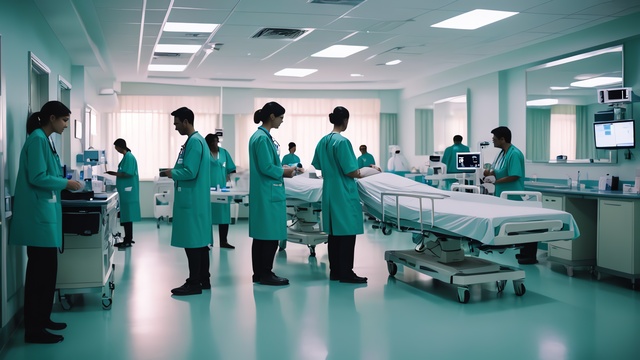
India’s healthcare industry is increasingly prioritising hospital hygiene, integrated facility management and patient support to improve safety, service quality and patient experience. Hospitals are adopting stronger sanitation practices, advanced cleaning systems, effective waste management and well-maintained infrastructure to reduce infection risks and create safer healthcare environments.
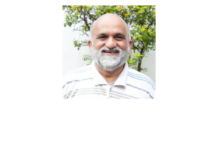
Although food and nutrition, hygiene, facility management and patient support have traditionally been classified as non-clinical services, their impact extends well beyond routine operations. These functions directly influence patient safety, recovery and the overall quality of care. Nitin Trikha, CEO – Integrated Facility Management & Food & Hospitality Services, Bluspring, highlights the growing importance of these services in delivering safe, efficient and patient-centred healthcare.
Hospital Hygiene Plays a Critical Role in Infection Prevention
According to the World Health Organization (WHO), approximately 15 out of every 100 patients in acute-care hospitals in low- and middle-income countries acquire at least one healthcare-associated infection during their hospital stay. The WHO also estimates that effective infection prevention and control programmes can prevent up to 70% of these infections.
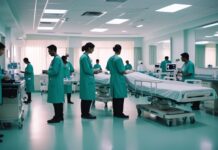
These figures underline the importance of systematic hospital hygiene and infection control. Consequently, healthcare facilities must move beyond conventional housekeeping practices and adopt specialised protocols based on the risk levels of different hospital areas. For instance, intensive care units (ICUs), operating theatres, patient rooms and common areas require different cleaning procedures, monitoring systems and safety measures. Hospitals must therefore equip their staff with appropriate training, clearly defined protocols and the resources needed to maintain consistent standards. Regular audits and continuous monitoring can further help healthcare providers identify gaps, improve compliance and reduce the risk of healthcare-associated infections.
Hospital Food Services Become an Integral Part of Patient Care
Alongside hygiene, hospital food services are gaining recognition as an essential component of patient care. Therapeutic nutrition is no longer simply a meal-delivery function; instead, it forms part of the patient’s broader treatment and recovery pathway. A clinician-prescribed diet must pass through several operational stages before reaching the patient. These include menu planning, ingredient sourcing, food safety checks, preparation, portion control, dietary verification and bedside delivery. Therefore, hospitals must ensure that the right meal reaches the right patient in the correct quantity and at the appropriate time. They must also maintain strict food safety standards throughout the process. By integrating clinical dietary requirements with kitchen operations and patient-support services, hospitals can improve the consistency and reliability of therapeutic nutrition.
NABH Standards Reinforce Healthcare Quality and Safety
Healthcare accreditation standards are also encouraging hospitals to strengthen their operational processes. According to Trikha, the sixth edition of the National Accreditation Board for Hospitals and Healthcare Providers (NABH) hospital accreditation standards addresses areas such as housekeeping, laundry and linen management, engineering controls, kitchen sanitation and food handling within its broader framework for infection prevention and patient safety. These requirements reinforce the importance of proactive risk management, standardised procedures and regular quality monitoring. Furthermore, consistent implementation of these practices can help hospitals improve accountability across departments. Rather than treating hygiene, food services and facility maintenance as isolated responsibilities, healthcare providers can incorporate them into an integrated quality-management framework.
Digital Technology Transforms Hospital Facility Management
Technology is creating new opportunities to improve the efficiency and reliability of hospital operations. Digital audits, for example, enable healthcare facilities to record compliance at the point of service instead of relying exclusively on periodic manual inspections. Similarly, Internet of Things (IoT)-enabled monitoring systems can track critical equipment and infrastructure, helping engineering teams identify unusual operating conditions before they develop into major problems. These technologies support a shift from reactive maintenance, which addresses failures after they occur, towards preventive maintenance. Where sufficient reliable data is available, predictive maintenance can also help teams anticipate potential equipment issues and plan interventions more effectively. As a result, hospitals can improve asset reliability, minimise operational disruptions and maintain safer environments for patients and healthcare professionals.
Trained Staff and Strong Processes Remain Essential
Despite these technological advances, digital tools alone cannot guarantee high service standards. Their effectiveness depends on the quality of the underlying processes and the competence of the personnel responsible for implementing them. For example, a digital checklist can identify whether a task has been recorded as complete, but it cannot independently ensure that staff have followed the correct cleaning protocol.
Hospitals must therefore invest in continuous staff training, clearly defined standard operating procedures (SOPs), effective supervision and regular audits. In addition, clear accountability helps teams identify shortcomings and take corrective action promptly. Combining trained personnel with appropriate technology and robust processes provides a stronger foundation for maintaining consistent service quality.
Integrated Facility Management Improves the Patient Experience
The next opportunity for India’s healthcare sector lies in integrating food services, hygiene, engineering, housekeeping and hospitality rather than managing them as disconnected functions. Patients experience these services collectively throughout their hospital stay. A clean room, appropriate nutrition, reliable infrastructure and responsive support all contribute to the environment in which treatment and recovery take place. An integrated approach can help hospitals coordinate activities more effectively, reduce operational gaps and maintain consistent standards across departments. It can also improve communication between clinical teams and support-service providers, ensuring that operational decisions align with patient needs. Consequently, integrated facility management is becoming an important element of hospital quality improvement and patient experience.
Non-Clinical Services Become Essential to Healthcare Delivery
Clinical expertise will always remain central to healthcare. However, the quality of treatment also depends on the environment, infrastructure and support systems surrounding the patient. As India’s healthcare industry continues to evolve, hygiene, therapeutic nutrition, facility management and patient-support services are increasingly becoming essential components of safe and effective healthcare delivery. As reported by pharmabiz.com, by combining strong operational processes, trained personnel, appropriate technology and integrated service management, hospitals can strengthen infection prevention, improve operational reliability and support more patient-centred care.