






















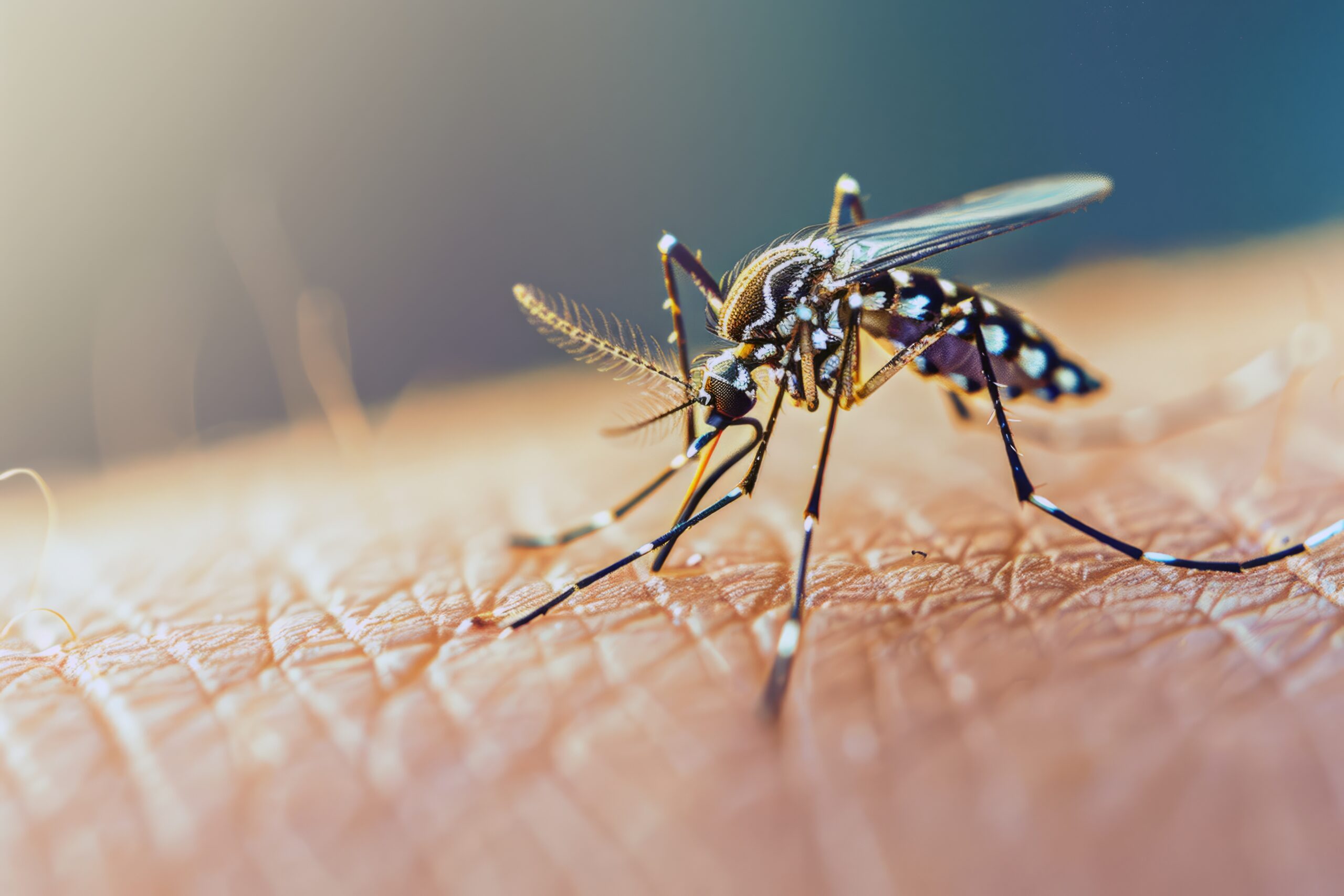
With mosquito-borne diseases such as dengue, malaria and chikungunya continuing to threaten public health in India, Associate Professor Kiran Trivedi from the University of Wollongong India has developed a low-cost, AI-powered device that identifies disease-carrying mosquito species within seconds by analysing the sound of their wingbeats.
Faster Mosquito Surveillance
The portable device uses Tiny Machine Learning (TinyML) to identify three major disease-carrying mosquito species—Aedes, Anopheles and Culex. Unlike conventional methods that require laboratory analysis, the device recognises mosquitoes through their unique wingbeat sounds, delivering real-time results without internet connectivity or cloud computing.
Developed with former student Harsh Shroff, the Arduino-based device features an integrated microphone and display. Trained using publicly available mosquito sound recordings, the AI model achieved an accuracy of 88.3 per cent.
Global Recognition
As per the press release, the innovation was recently showcased at the United Nations AI for Good Global Summit in Geneva, where Associate Professor Trivedi demonstrated how low-cost edge AI can support disease surveillance and strengthen public health responses.
Looking Ahead
According to Associate Professor Trivedi, networks of these devices could continuously monitor mosquito activity, identify emerging disease hotspots and help public health agencies respond before outbreaks escalate. The innovation highlights how affordable AI solutions can improve mosquito surveillance, particularly in regions with limited laboratory infrastructure.