






















First Alcohol Septal Ablation Performed in Navi Mumbai and Raigad District
A 71-year-old woman suffering from severe hypertrophic obstructive cardiomyopathy (HOCM) has successfully avoided high-risk open-heart surgery after doctors at Medicover Hospitals performed Alcohol Septal Ablation, a rare minimally invasive cardiac procedure. The intervention, reportedly the first of its kind in Navi Mumbai and Raigad district, relieved a life-threatening obstruction in her heart and enabled a safe recovery.
The patient had been battling persistent chest pain, breathlessness, fatigue, and difficulty walking despite receiving maximum medical therapy. Given her age and multiple health conditions, conventional open-heart surgery posed significant risks. Therefore, the medical team opted for a less invasive yet highly specialised treatment approach.
Daily Activities Became Increasingly Difficult
Mrs. Sheshabai S. Toraskar, 71, a resident of Nerul, had been living with severe discomfort for several years. Even simple activities such as walking short distances or performing household chores left her exhausted. She frequently experienced chest pain, breathlessness, restlessness, and extreme fatigue, which significantly affected her independence and quality of life.
Despite taking all prescribed medications regularly, her symptoms continued to worsen. She required assistance from family members for routine activities and had been under the care of Dr. Keshav Dada Kale for the past two years. As her condition deteriorated, doctors evaluated advanced treatment options, including open-heart surgery and Alcohol Septal Ablation.
Advanced Tests Revealed Severe Heart Obstruction
Dr. Keshav Dada Kale, Senior Interventional Cardiologist at Medicover Hospitals, explained that Mrs. Toraskar had a history of hypertension, diabetes, and hypertrophic obstructive cardiomyopathy for nearly five years.
“HOCM causes abnormal thickening of the heart muscle, narrowing the pathway through which blood leaves the heart. This obstruction can severely restrict blood flow and lead to symptoms such as chest pain, breathlessness, dizziness, palpitations, arrhythmias, fainting episodes, heart failure, and even sudden cardiac death if left untreated,” he said.
Diagnostic investigations, including an echocardiogram, coronary angiography, and cardiac MRI, revealed severe Left Ventricular Outflow Tract (LVOT) obstruction with a pressure gradient exceeding 100 mm Hg despite optimal medical treatment. As a result, the medical team determined that immediate intervention was necessary.
Initially, doctors considered septal myectomy, a major open-heart surgery commonly used to relieve such obstructions. However, due to the patient’s advanced age, co-existing illnesses, and elevated surgical risk, the team decided against this option.
Rare Procedure Offered a Safer Alternative
Recognising the urgency of the situation, the team chose Alcohol Septal Ablation, a highly specialised minimally invasive procedure rarely performed in selected high-risk patients.
As per the press release, this was the first Alcohol Septal Ablation procedure performed at the hospital and is considered the first reported case in Navi Mumbai and the Raigad district.
“This was an extremely challenging case because the patient had severe HOCM with significant LVOT obstruction despite optimal medical therapy,” said Dr. Kale. “We performed the procedure under local anaesthesia, allowing us to address the obstruction without exposing the patient to the risks associated with major surgery.”
How the Procedure Was Performed
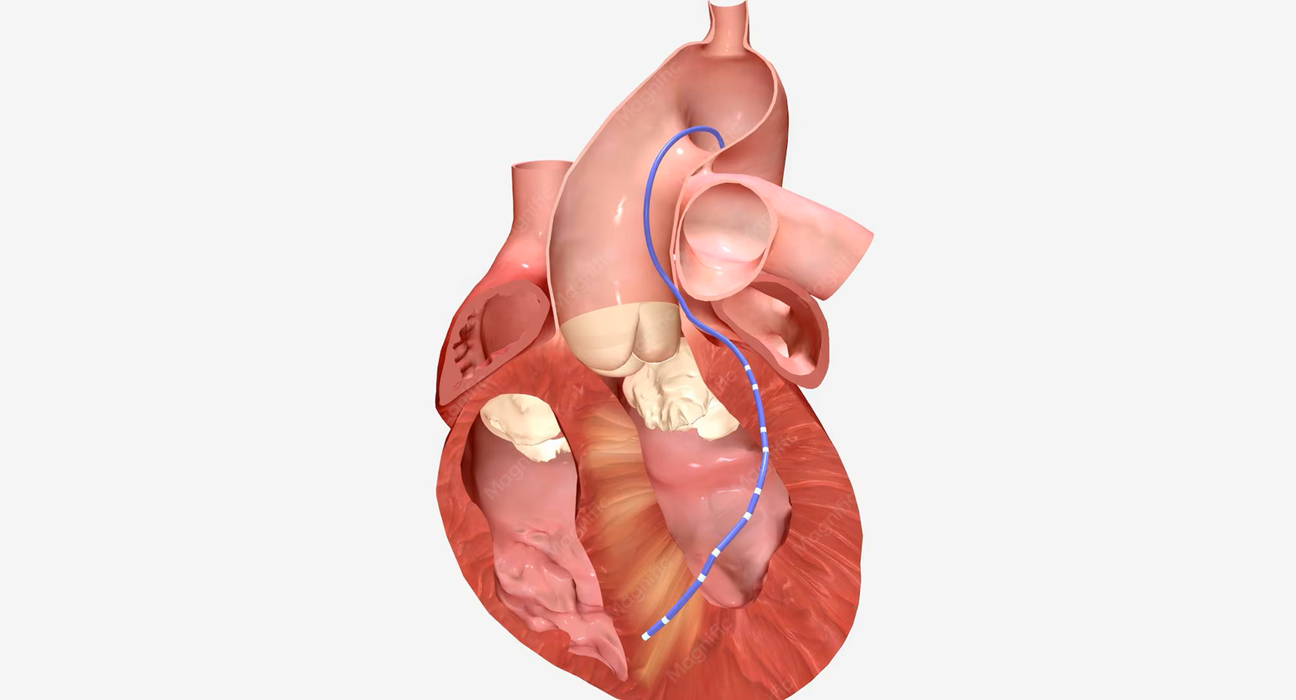
Alcohol Septal Ablation works by intentionally reducing the thickness of the enlarged heart muscle that causes the obstruction.
During the procedure, doctors carefully identified the septal artery supplying the thickened portion of the heart muscle. They then injected a controlled amount of 95% alcohol into the artery, creating a small targeted infarction. This process reduced the muscle thickness and improved blood flow from the heart.
Given the complexity of the intervention, the team closely monitored the patient throughout the procedure. They also implanted a temporary pacemaker to provide additional cardiac support and enhance procedural safety.
The entire procedure was completed within two hours.
Significant Improvement and Smooth Recovery
Following the intervention, doctors recorded an immediate reduction of nearly 70% in the LVOT pressure gradient. Importantly, the patient experienced no heart block or bleeding complications.
Within two days, her symptoms improved considerably, and doctors discharged her in stable condition after three days. She has since been advised to continue medications, adopt lifestyle precautions, and attend regular follow-up appointments to maintain long-term heart health.
Family Expresses Relief
The patient’s family expressed gratitude and relief following her recovery.
“We were deeply worried watching her struggle with basic daily activities such as walking and climbing stairs. When we learned that surgery carried significant risks, we became even more concerned. Seeing her recover safely and breathe comfortably again has brought immense happiness to our family,” they said.
Advancing Complex Cardiac Care in the Region
Commenting on the achievement, Sandip Joshi, Centre Head, Medicover Hospitals, Navi Mumbai, said the successful outcome highlights the growing availability of advanced cardiac care in the region.
“Successfully performing such a rare and technically demanding procedure demonstrates the importance of timely clinical decisions, multidisciplinary collaboration, and specialised interventional expertise. These factors play a critical role in improving outcomes and quality of life for high-risk cardiac patients,” he concluded.